Physical Address
304 North Cardinal St.
Dorchester Center, MA 02124
Physical Address
304 North Cardinal St.
Dorchester Center, MA 02124


I would like to preface this post by saying that if you only buy dry noodles, you’ll be rather disappointed in this category. Kalguksu noodles, Udon noodles and Jjajang noodles really shouldn’t be the same product. But in the dry packaged food world, they are.
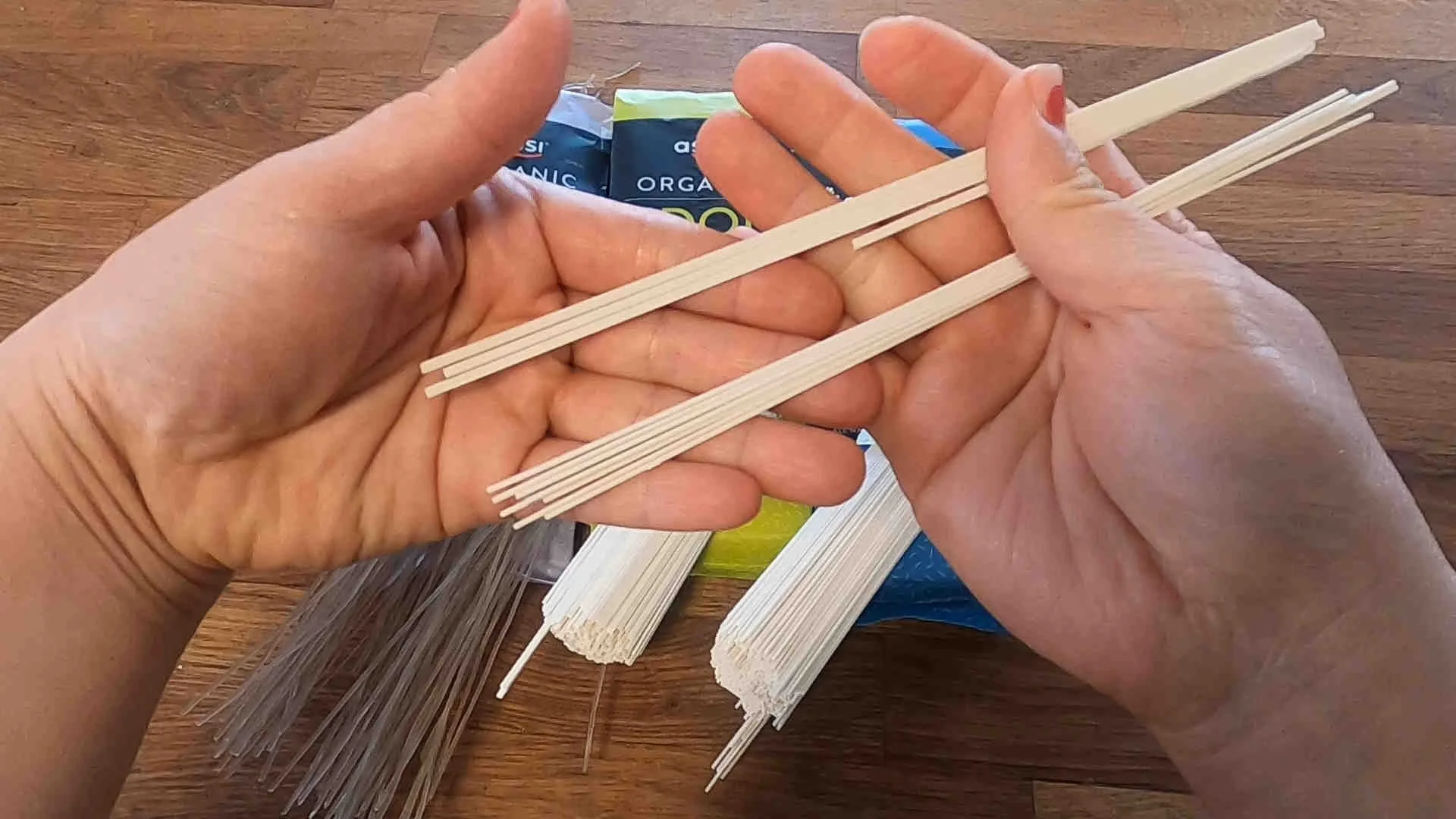
I refer to this packaged noodle I’ve got as “Kalguksu” noodles. However, the legitimate, authentic Kalguksu are made by hand using flour, salt, oil and water. Then it is cut by a knife- hence the name Knife-Cut Noodles- into wide-but-not-too-wide strands.
Commercially packed, you’ll find any wider-than-2cm-noodle to be sold under various names. It may be called Kalguksu or Udong or even Jjajang Noodle.

Is this laziness or honesty from mass producers? Because factory-made Korean noodles (labelled Kalguksu/Udong or Jjajang) list the exact same ingredients: Flour, water, salt. And look suspiciously similar. It’s basically the same thing🤭, go to my Jjajang Noodle post and tell me this doesn’t look the same.
Here’s a recipe from Aeri’s Kitchen to make Kalguksu (Korean Knife-Cut Noodles) from scratch. Just grab some flour, oil, salt and water and get started!
Purists may say this or that and make grocery shopping complicated (only use X type noodle from Y company to eat Z dish!) but this actually makes it super easy for the Korean food noob. If you are going for a Korean recipe of Udong/Kalguksu/Jjajangmyun, just grab whichever kinda’ wider noodle.
Note: If you get fresh noodles from the freezer, grab Jjajang 짜장 noodles for Jjajangmyun because it should contain baking soda or some kind of starch making them more bouncy and chewy.
Another Note: You may see more dish-specific noodles in the freezer actually. Udong noodles for Udong, Kalguksu for Kalguksu, Jjajang noodles for Jjajangmyun.
Personally, I consider these the linguine of my life. I mean, spaghetti pasta’s a no-brainer because I use it regularly. I could pick up linguine and I’d use it instead of spaghetti but… it’s not an automatic choice.

In Korean cooking, I usually stock up on Somyeon (the super thin noodles from this blog post) because most of noodle dishes I make at home (noodles in broth / noodles dressed in soy sauce / noodles in gochujang sauce) can be done with Somyeon noodles.
Kalguksu noodles are more of an option because we don’t eat Jjajangmyun that often, we don’t make Kalguksu the dish at home and we get the proper thick, round Udon noodles to make Udong.
I guess it’s mostly personal preference.
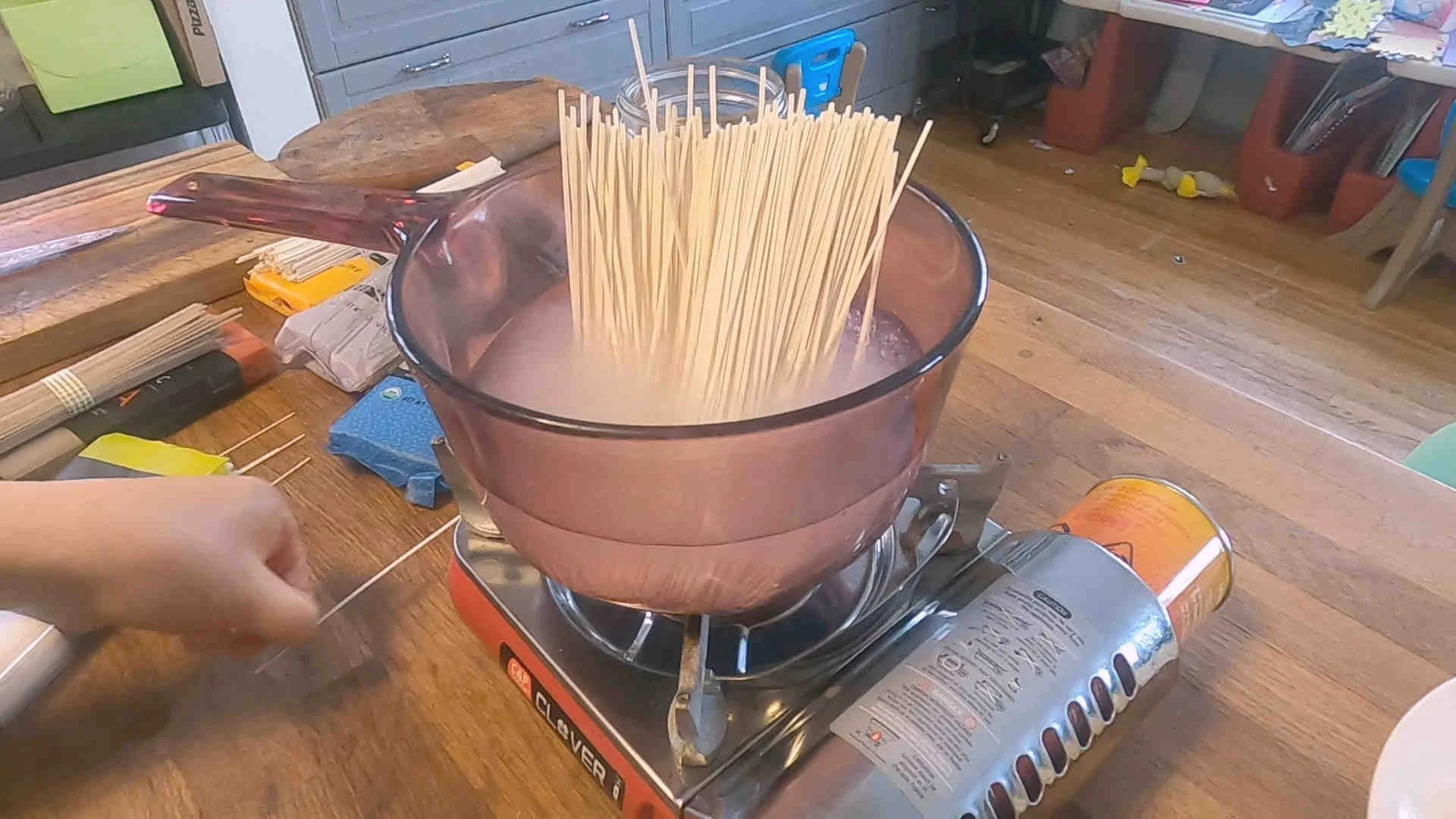
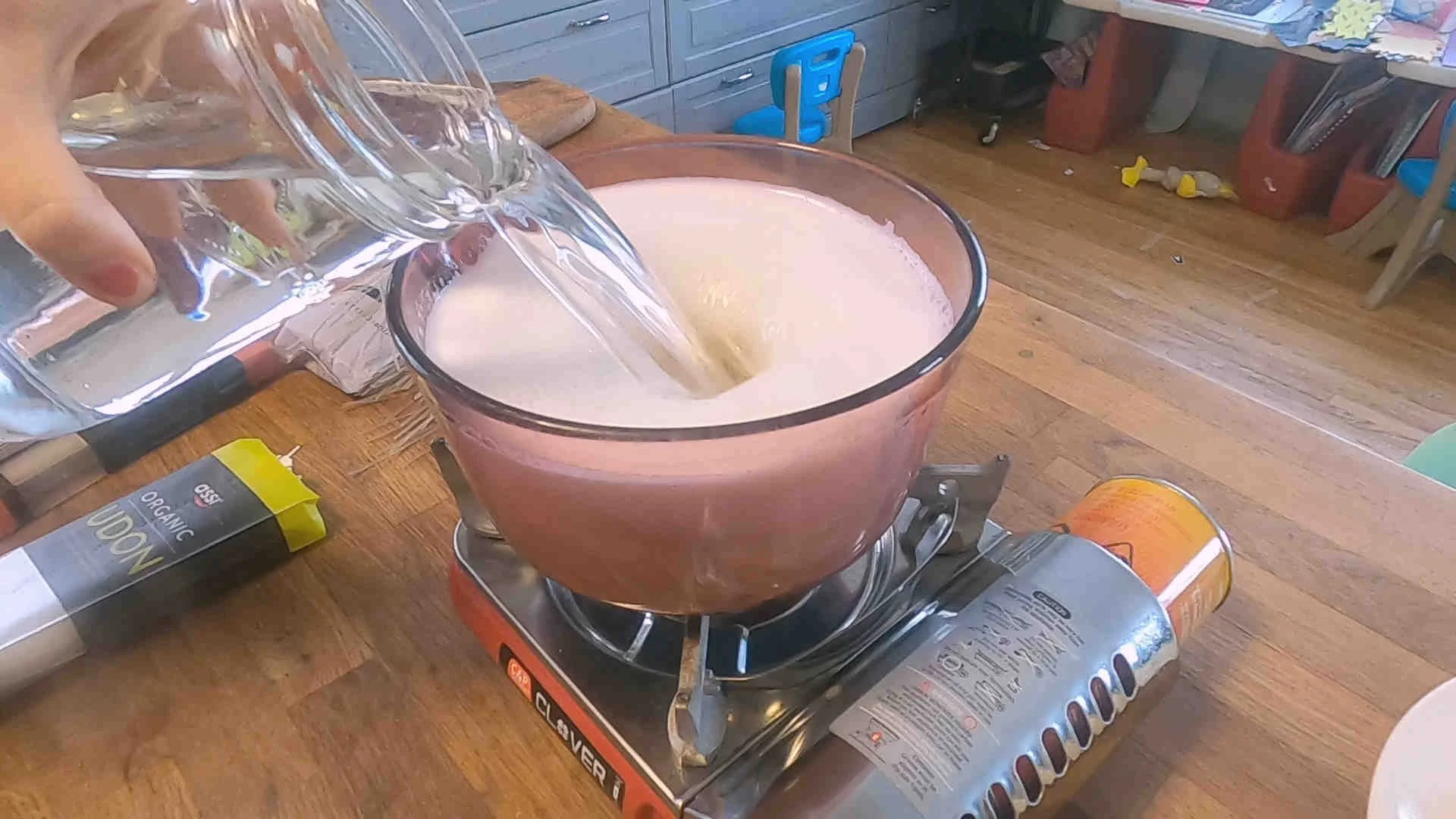
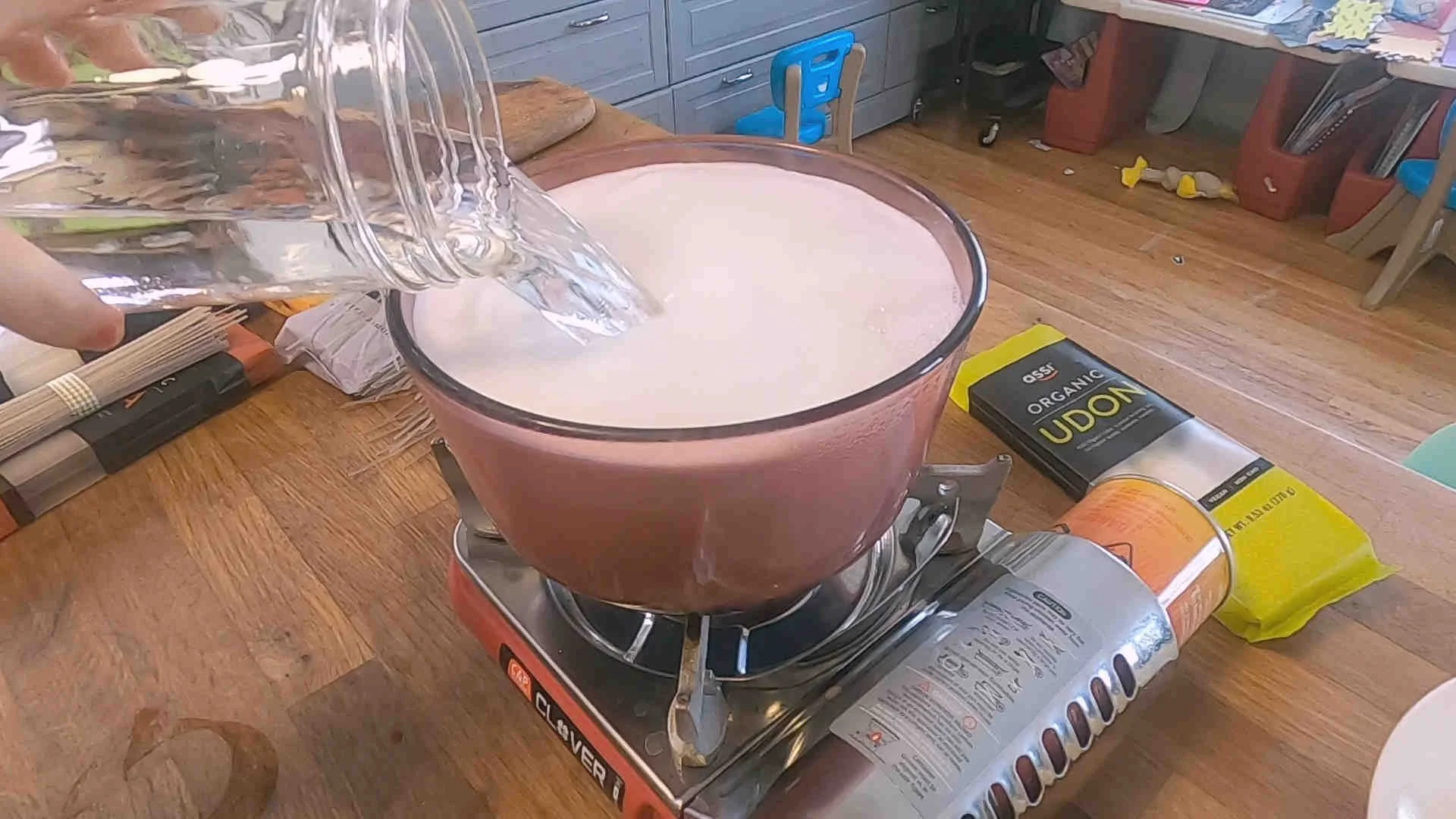
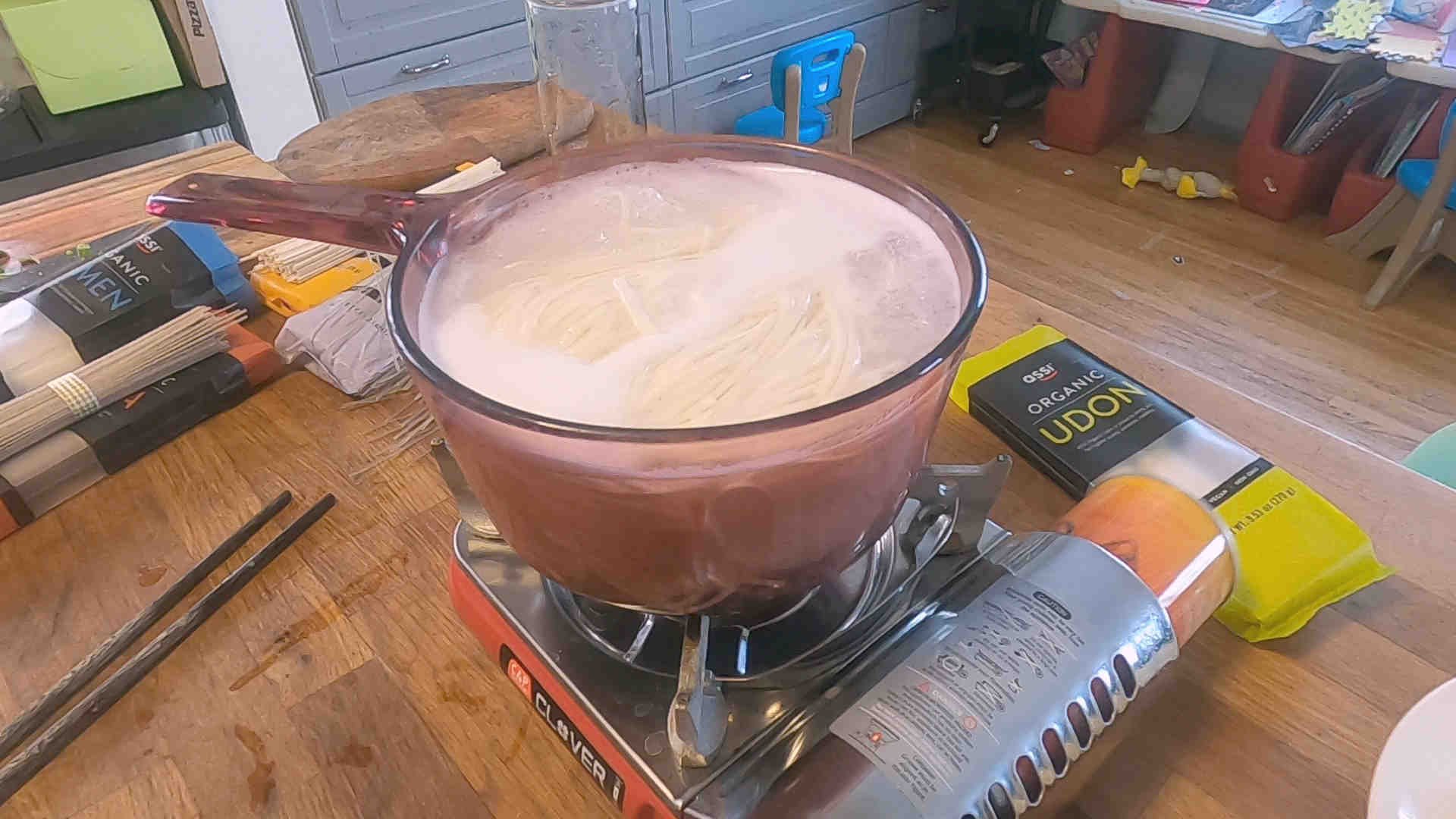
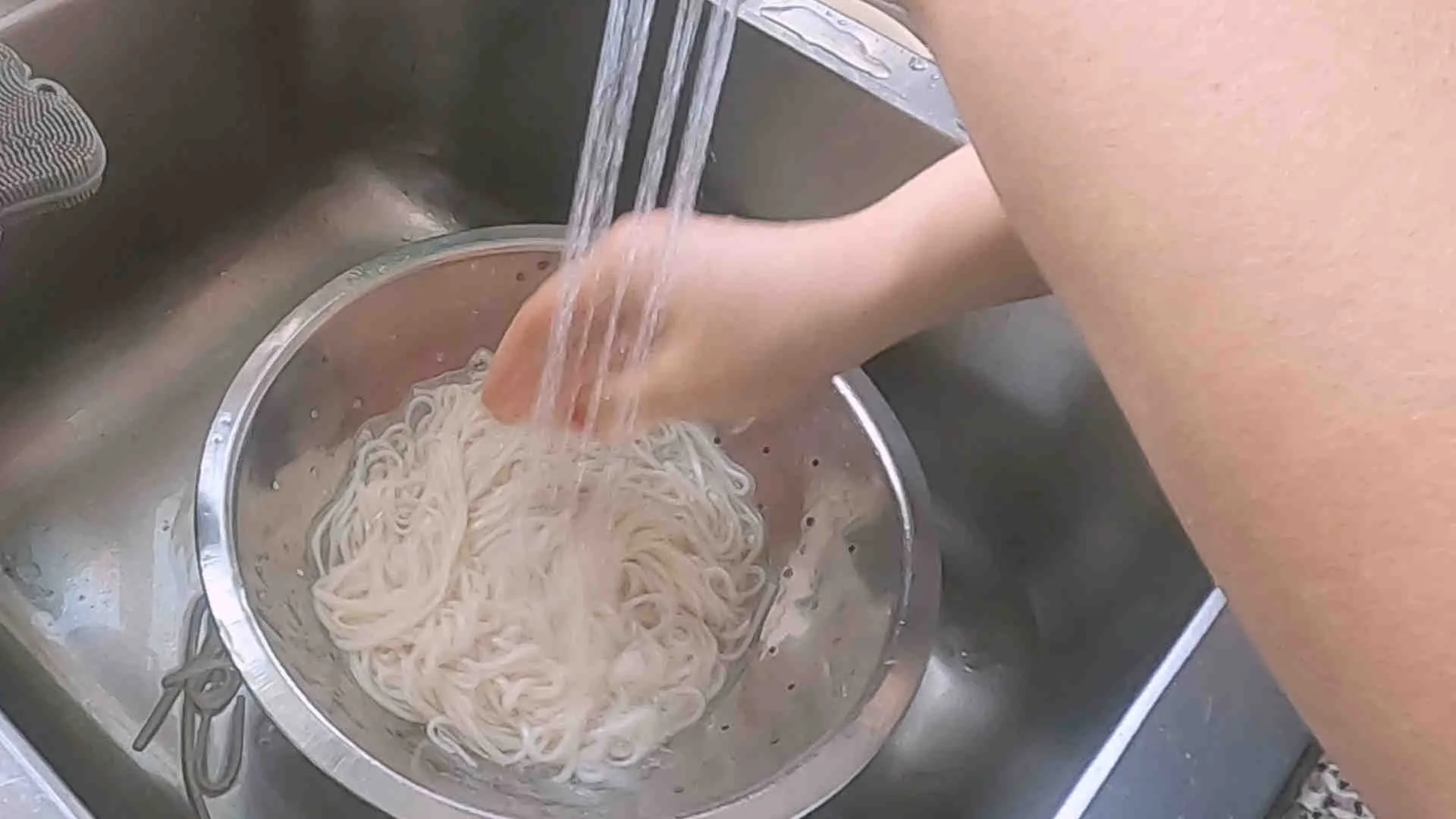
3x Boil Process for Cooking Noodles
Prepare larger pot than you think you’ll need.
Pour plenty of water (to prevent gumminess) to amount of noodles.
Bring water to boil.
Add noodles.
Stir pretty much constantly to avoid sticking at bottom.
When water froths up and threatens to overflow, add a cup of cold water.
Bring water to boil again.
Dump another cup of cold water when it’s about to overflow.
Bring water to boil again.
It is done.
Immediately rinse thoroughly in cold water.
Make into nests.
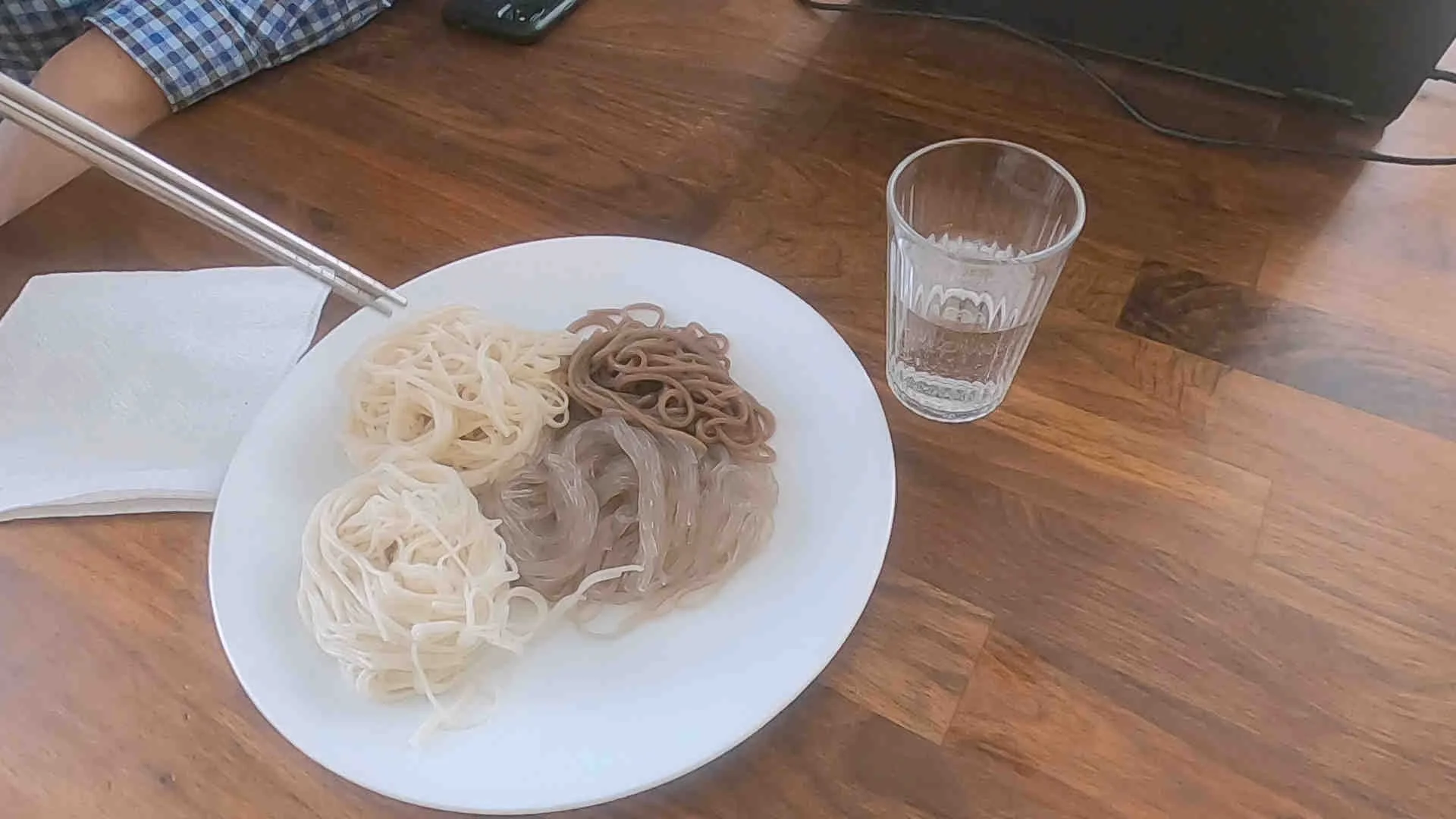
This bringing water to a boil 3x has been the most dependable way for me to get just-right noodles every time without putting on a timer.
Now I can also make fries in the air-fryer at the same time so this method lights up my multi-tasking kitchen process.
Recipes to Peruse if you buy Dry Kalguksu/Udong/Jjajang Noodles:
Kalguksu (Kimchimari)
Jjajangmyun (Spoon Fork Bacon)
Udon with Fishcake Broth (Maangchi)
Writing this post made me realize I need to buy all the noodles available in the freezer section. Check back soon!