Physical Address
304 North Cardinal St.
Dorchester Center, MA 02124
Physical Address
304 North Cardinal St.
Dorchester Center, MA 02124


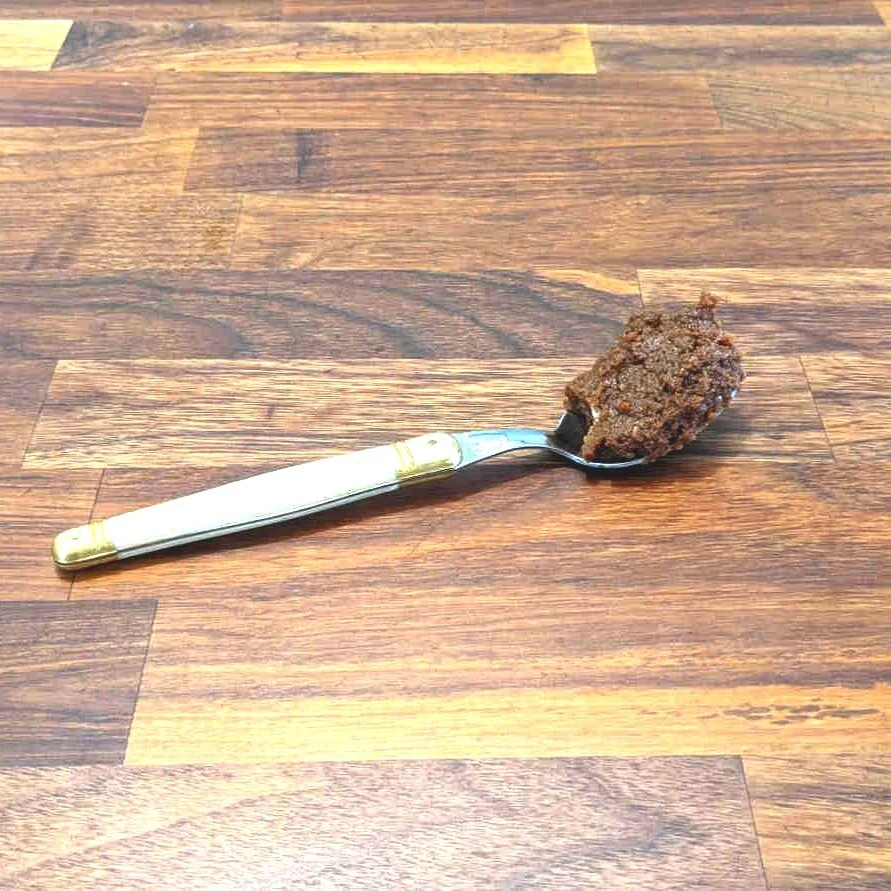
Doenjang is a staple Korean seasoning paste made from fermented soybean blocks which are fermented in brine. Homemade Doenjang only requires water, soybeans, salt and time. Initial fermentation lasts 2-3 months but can continue for years. The resulting brine then becomes soy sauce.
Traditional Doenjang is naturally Gluten-Free.
It can result in varying shades of brown (traditional methods leave it up to nature, which can make colours vary) and is very thick and pasty. It turns a darker shade of brown over time.
Often compared to stinky socks, I believe this exaggeration comes from the fact that it’s such an unfamiliar smell for many people. The smell can be very strange and confusing to the uninitiated. It does have a funk. And it does smell unpleasant to those who have not (yet) acquired the taste for it.
But those that do, can feel their mouths watering at a whiff. And then they move on to Chung Guk Jang (even riper smelling quick-fermented soybeans!).
Homemade Doenjang made in the traditional way only contains Meju (soybeans that have been boiled and mashed, formed into blocks and dried in a well-ventilated area for 2-3 months), water and salt. When the Meju is completely dried and fermented, it goes through another fermentation in brine. This lasts another 2-3 months.
The brine is strained made into soy sauce. The blocks have now broken in the brine and this is gently formed into a past and this is how fermented soybean paste is made. The paste is then transferred back for its final fermentation and is eaten throughout the year.
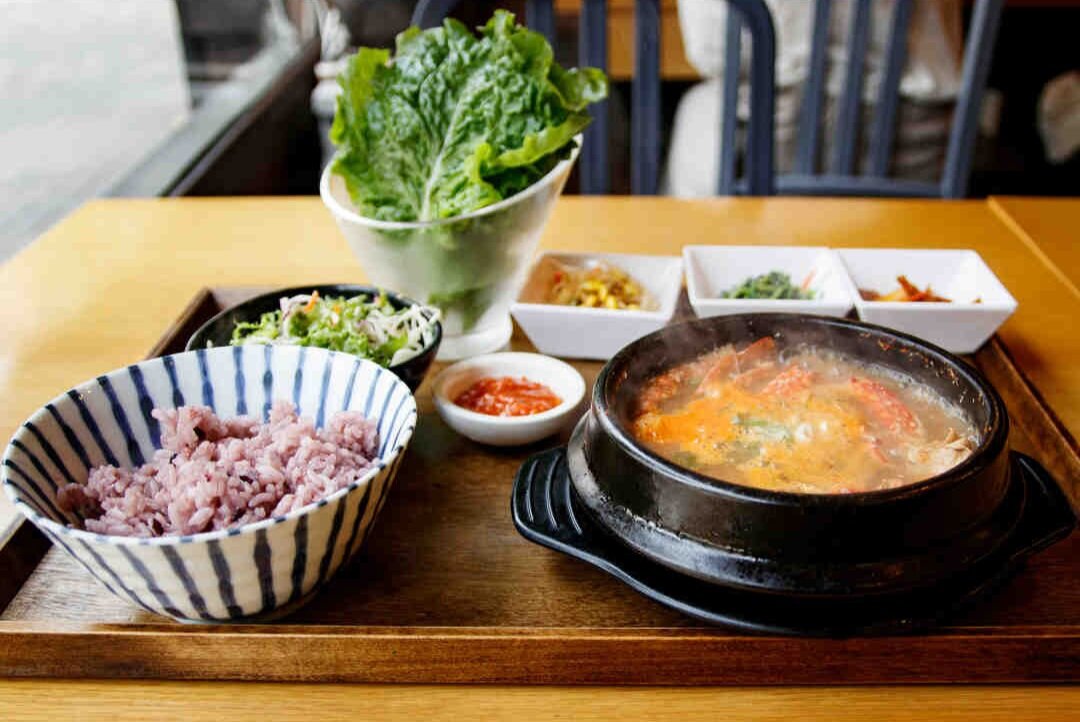
Doenjang is most commonly used for the famous Fermented Soybean Soup (Doenjang Jjigae 된장찌개). This pungently aromatic soup or stew is renown for its rich, hearty flavours and health benefits. It can also be used as a mild but savoury dip that goes very well with Korean BBQ. This is what Doenjang is regularly used for, but people who enjoy the flavour add a bit to any savoury dish, like scrambled eggs!
Doenjang is pronounced DEN-JANG and translates to Fermented Soybean Paste.
The word “Jang” loosely translates to sauce and forms the trinity of Korean cooking: Doenjang, Ganjang (soy sauce) and Gochujang (chili paste).
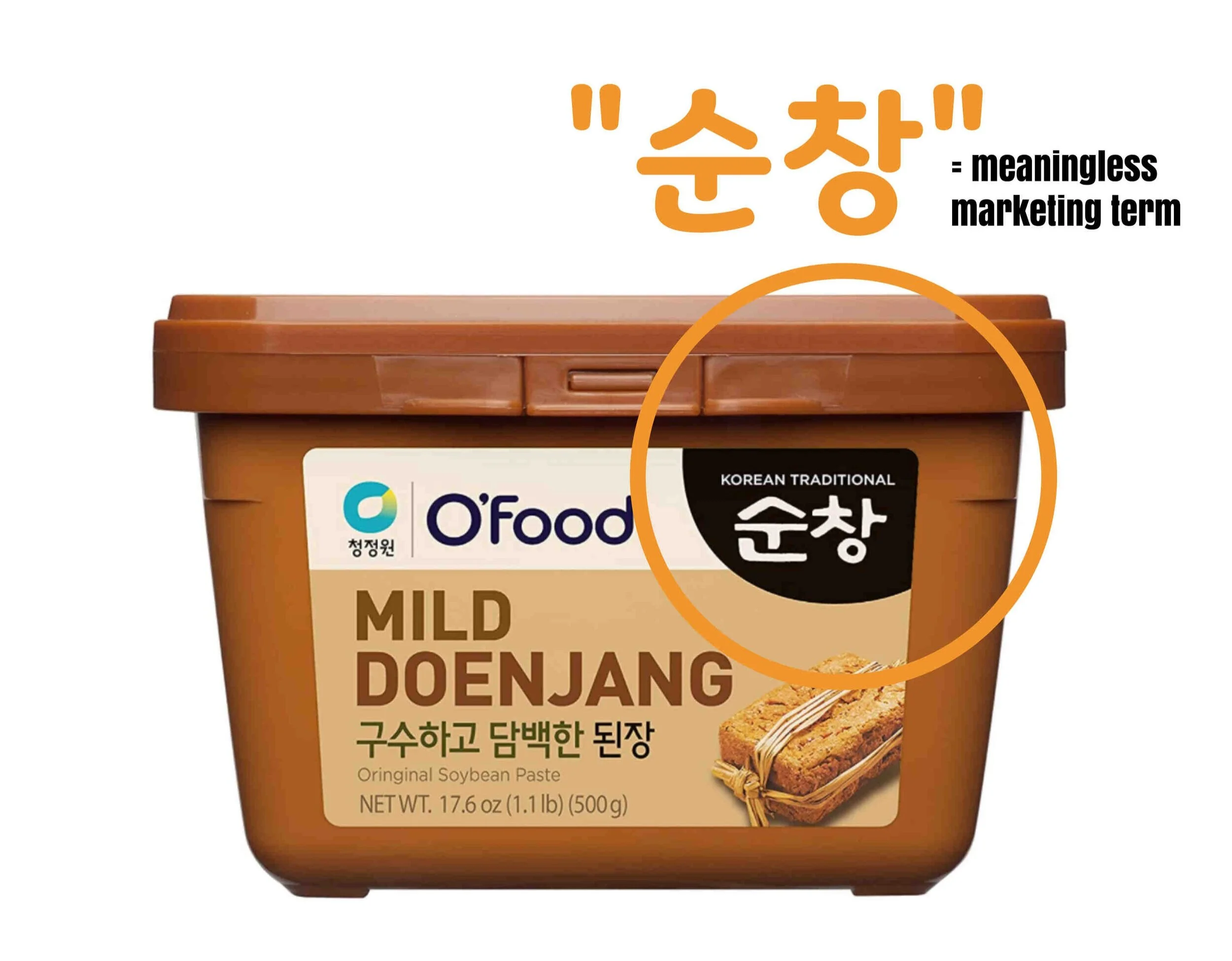
SunChang is a mountainous region in Korea famous for making excellent Jang. Although most often connected to Gochujang, they actually specialize in all “Jang” or Korean sauces: Doenjang (bean paste), Gochujang (chili paste) and Ganjang (soy sauce). However, it’s become a bit of a marketing term and doesn’t necessarily mean the product has been made there or that all the ingredients are from that region.
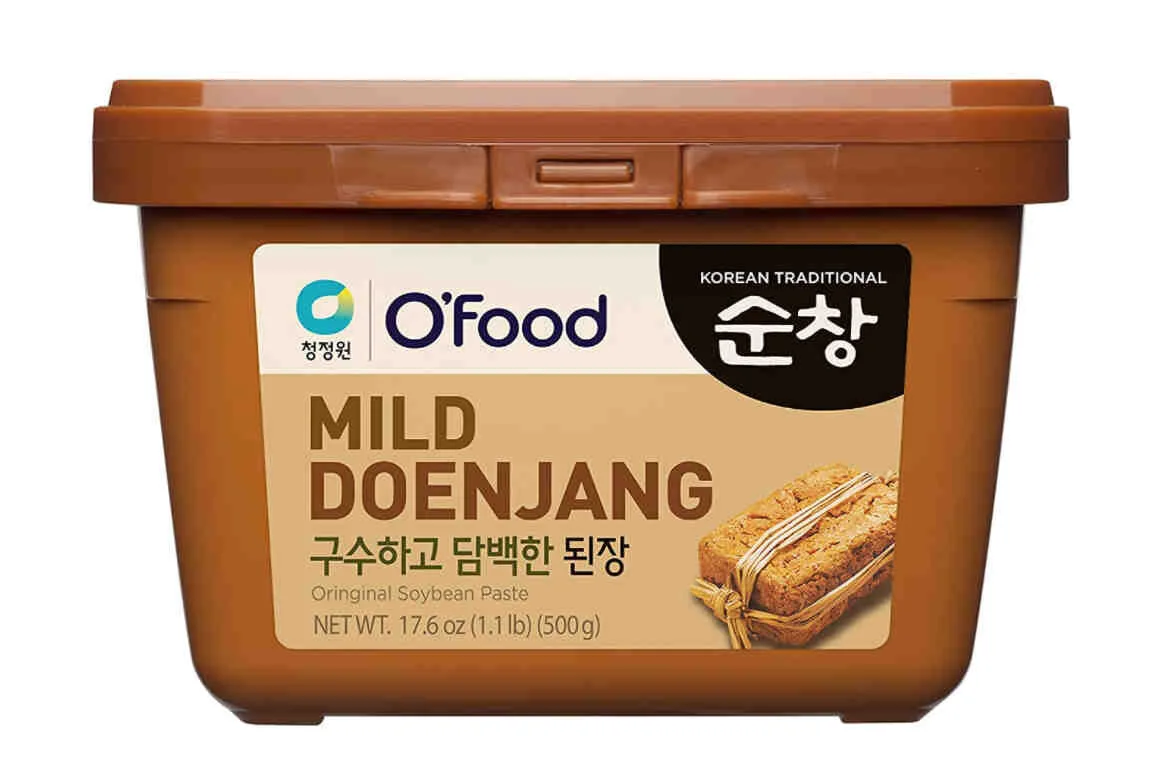
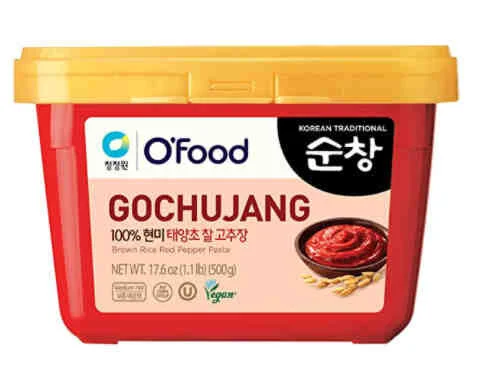
Doenjang is fermented soybean paste: a deep, savoury flavour that accentuates its umami from fermentation. Traditional Gochujang also goes through 2-3 months of fermentation with Meju (fermented soybean in powdered form) and Gochugaru (dried Korean chili pepper powder) but is all about a savoury-sweet heat that excites the palate.
A quick way to identify which is which? Doenjang will be in a brown container and Gochujang will be in a red container (most of the time).
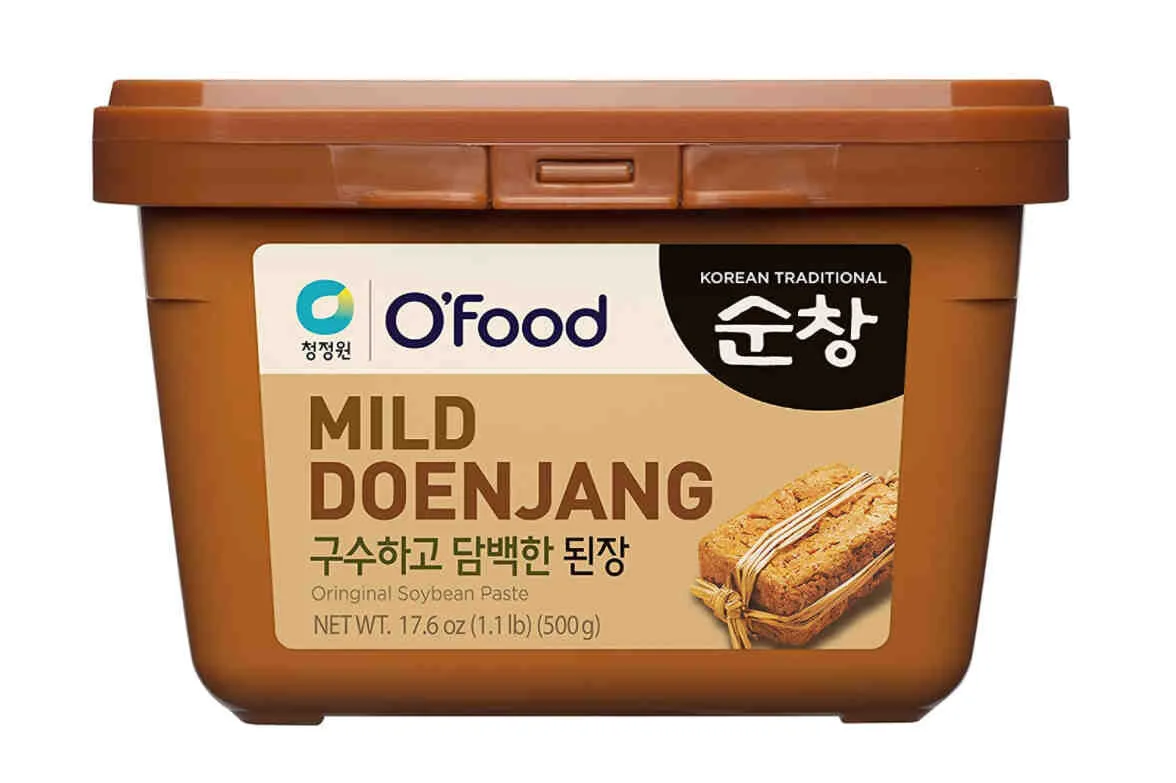
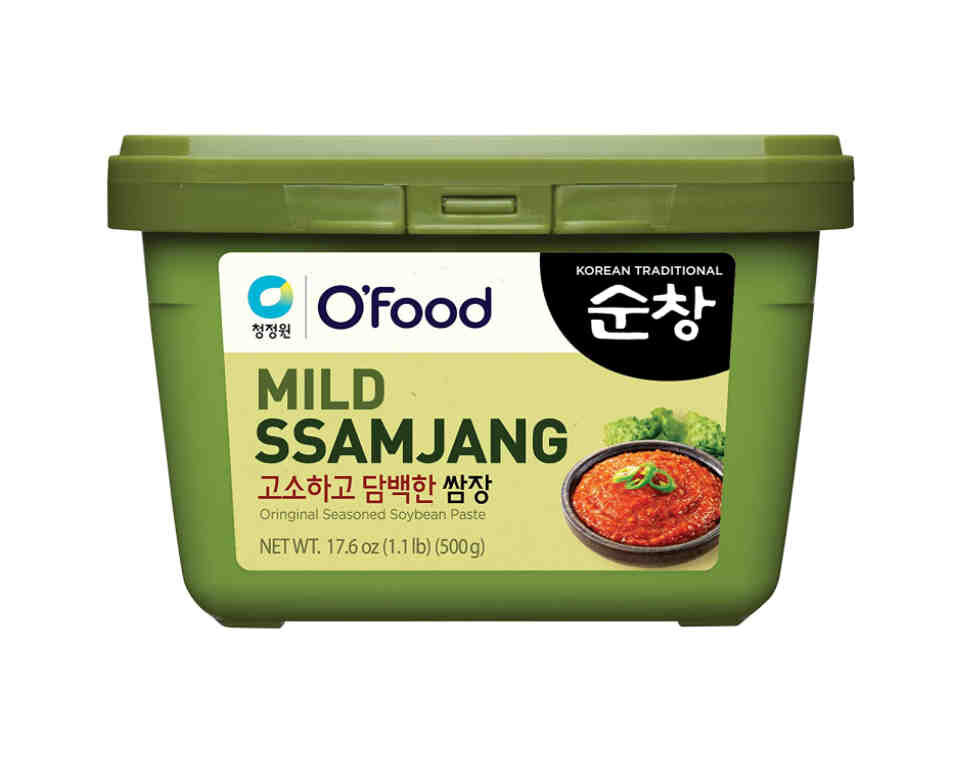
Doenjang is simply fermented soybean paste- a rich ingredient to make dishes. SsamJang (Sauce for eating SSAM: food wrapped in a pouch) is almost exclusively used as a dip for Korean BBQ. It’s a flavoured Doenjang that adds the perfect seasoning to a SSAM of rice, meat and banchan wrapped in a fresh green leaf.
You can make Ssamjang from Doenjang, a simple recipe is to mix equal parts Doenjang with Gochujang and mix into a preferred consistency with the aid of Sesame Oil.
A quick way to tell which is which? Doenjang will be in a brown container and Ssamjang comes in a green container (most of the time).
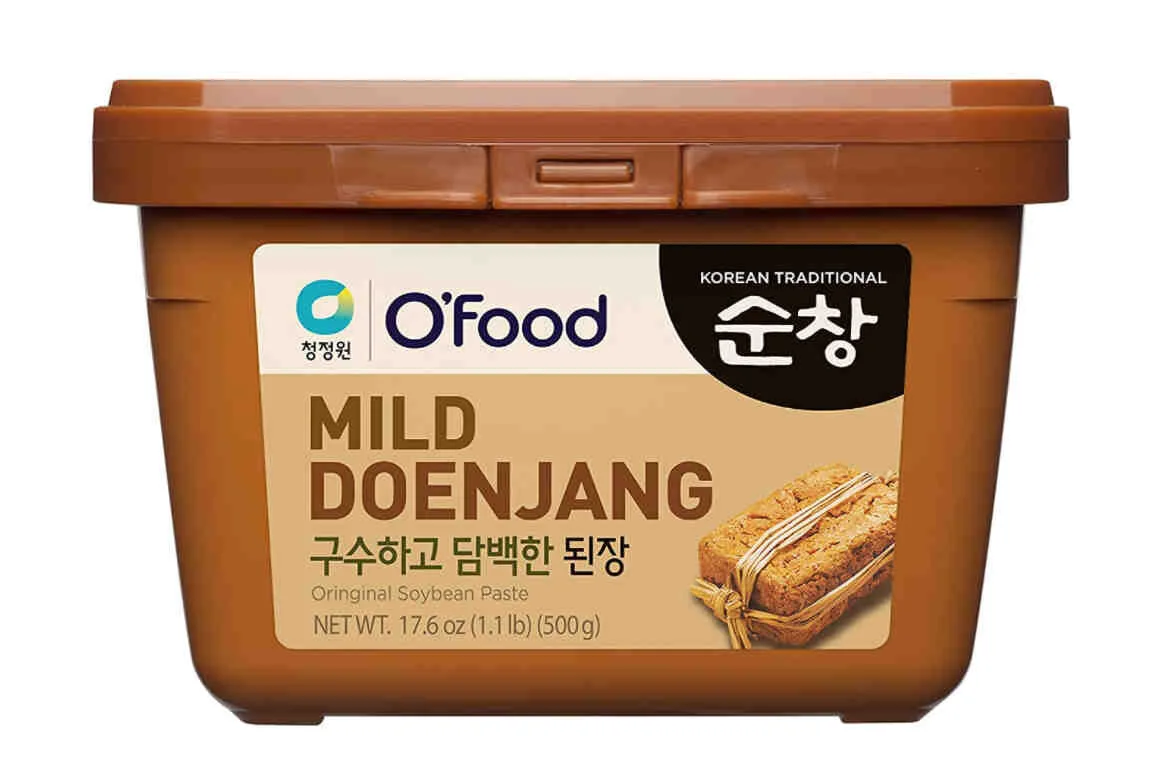
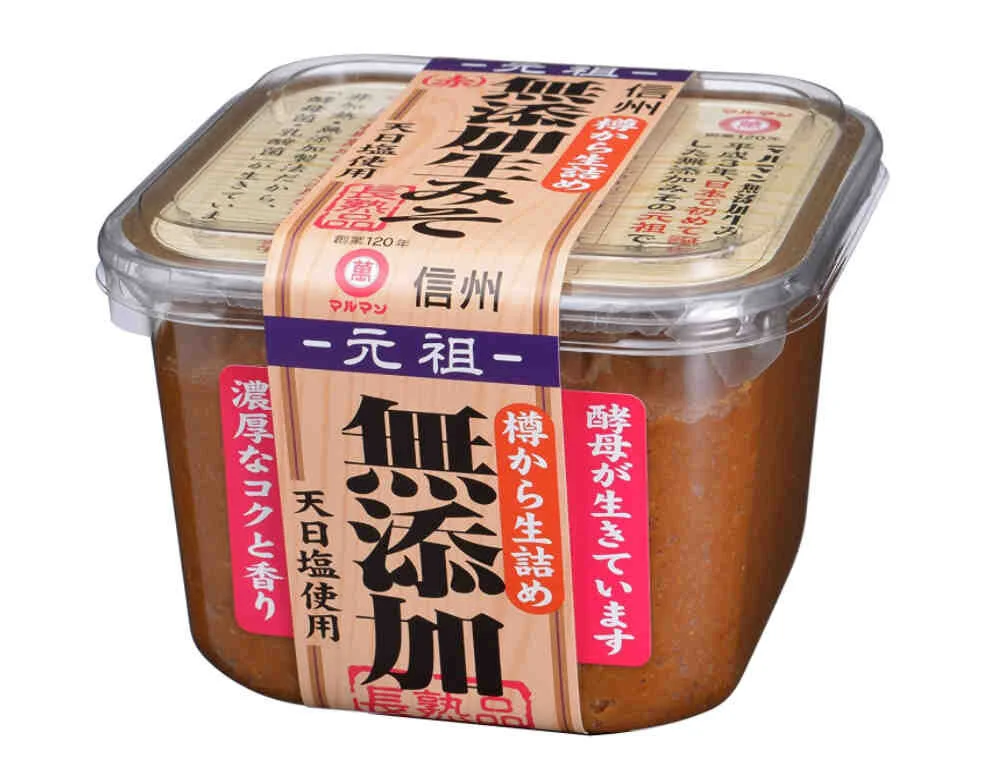
Doenjang is Korean fermented soybean paste and Miso is the Japanese equivalent. Similar to the flavour profiles of each country, Korean Doenjang has a much more prominent, loud presence with a pungent smell (although many mass-produced products have reduced the scent nowadays) while Japanese Miso is much milder. The best comparison would be with Japan’s strongest Miso, the Red Miso.
Miso can be used instead of Doenjang in a pinch.
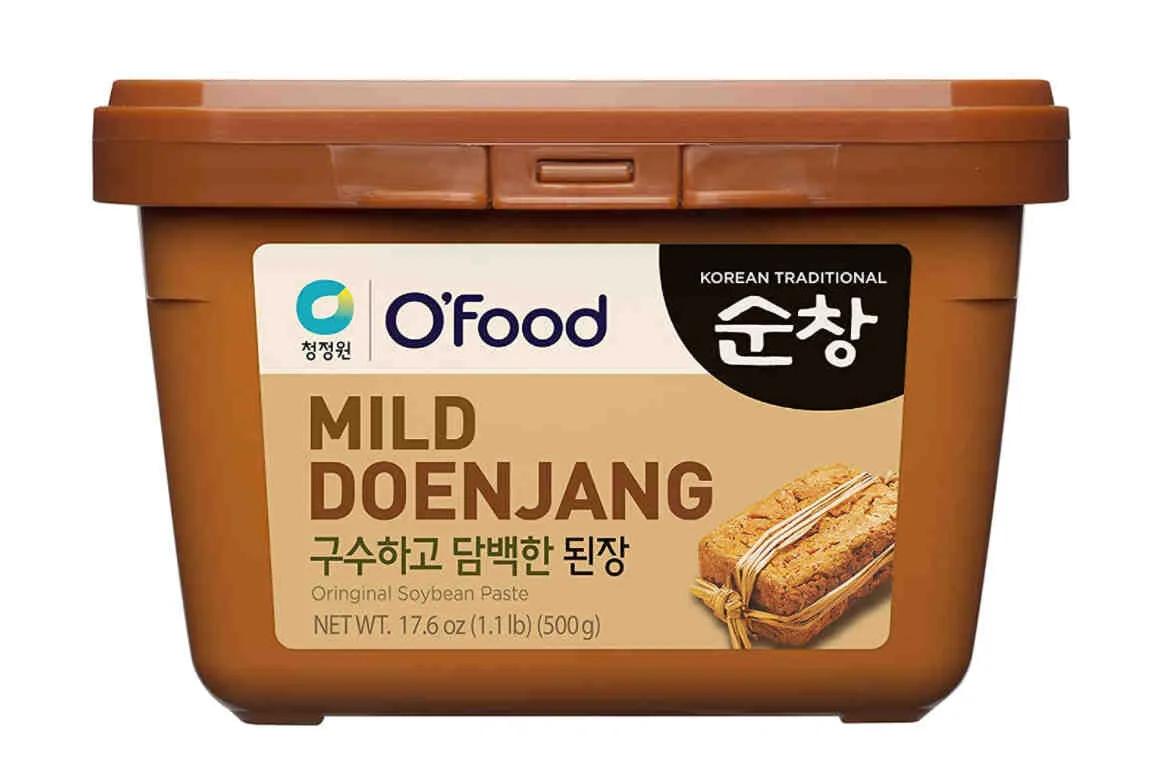
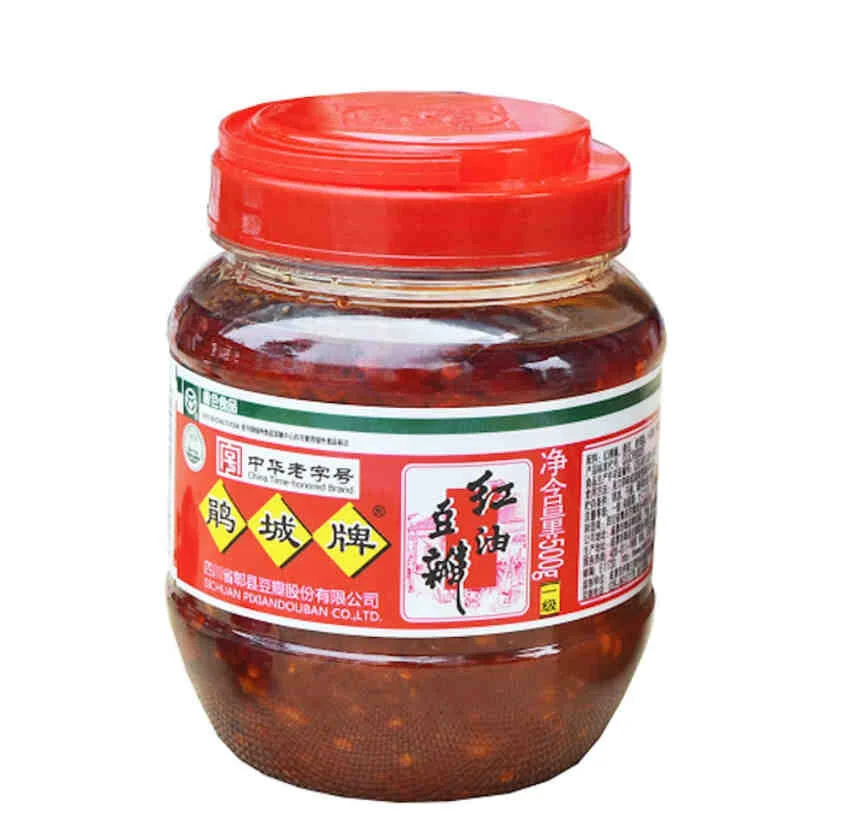
Korean Doenjang is fermented from soybeans and uses water and salt to bring about a slow fermentation. It results in a savoury umami deep in flavours ideal for adding a rich flavour to Doenjang Stew.
Doubanjiang is a Chinese bean paste made from broad beans. Most of the Doubanjiang widely sold is the popular Sichuan variety which includes chilis and oil in addition to salt. But it’s also a different flavour from Gochujang (Korean Chili Paste) as it’s not sweet.
Although both are made from beans (soybeans vs broad beans) and fermented with salt, that’s where the similarities end. Doubanjiang adds spice as well as having deep umami flavours from fermentation. Also, it uses oil as a preservative so the texture is less pasty and more saucy.
Because of the saucy texture and added spice, Doubanjiang wouldn’t be a straight-forward substitute for Doenjang.
However, it could make a tasty Ssamjang alternative!
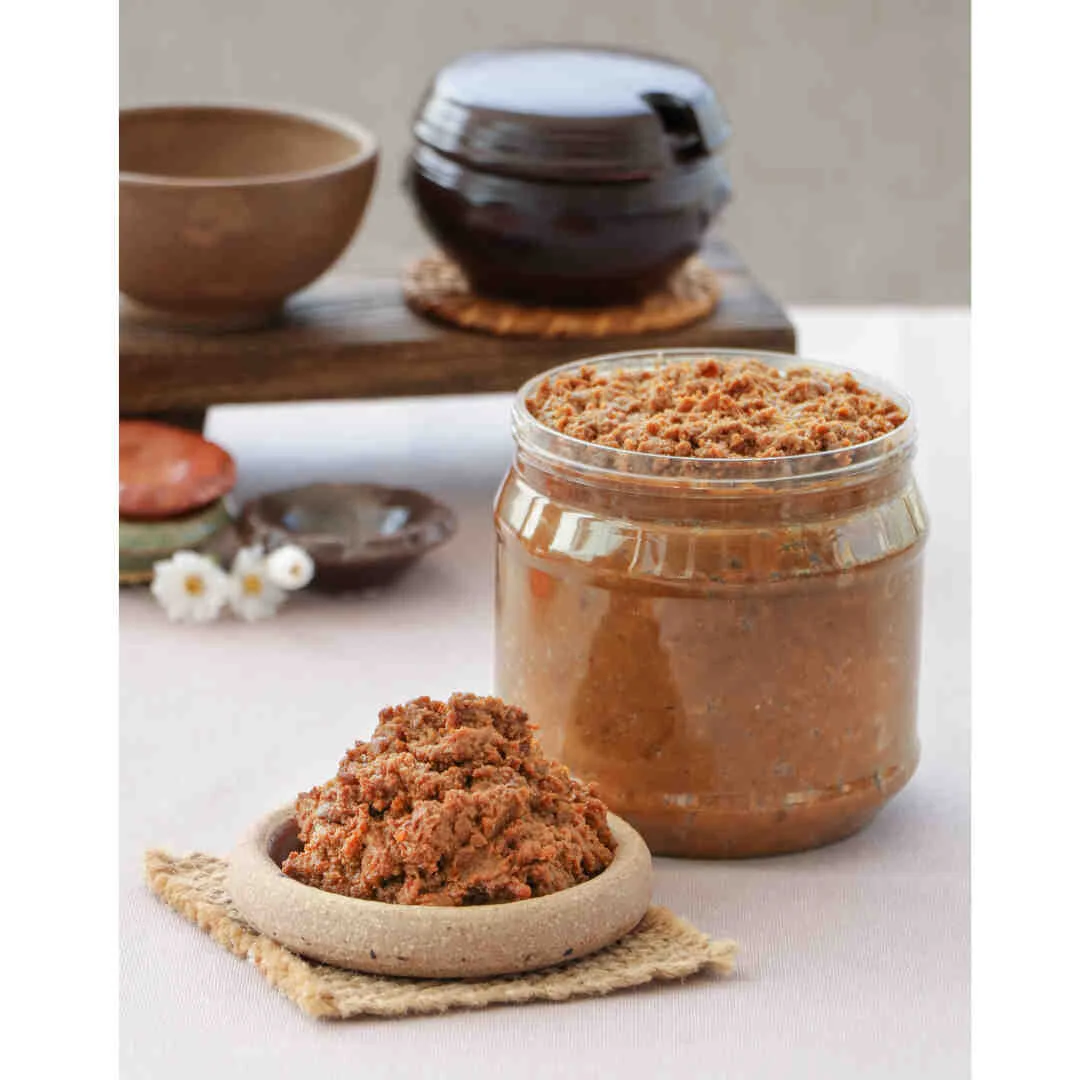
Traditional Doenjang is known to be a powerhouse for health. Rich in amino acids, it strengthens the liver (filters blood, detoxifies chemicals, creates proteins). The fermentation process generates Subtilin, Isoflavone, Saponin which together may help bring cancer cells under control. Soybeans through fermentation reveal anti-oxidant properties that may have anti-aging benefits. Last but not least, it supports the digestive system (which is a “communication centre for the brain”- read A Healthier Digestive System means a Healthier You by New York University Langone Academic Medical Centre).
In short, not only is it a miracle food that keeps people young and healthy, it’ll keep you regular!
But honestly, take it with a grain of salt- if this were true, we’d be eating Doenjang day and night and be nearly immortal. Or maybe it’s all the soju consumption that negates the effects.
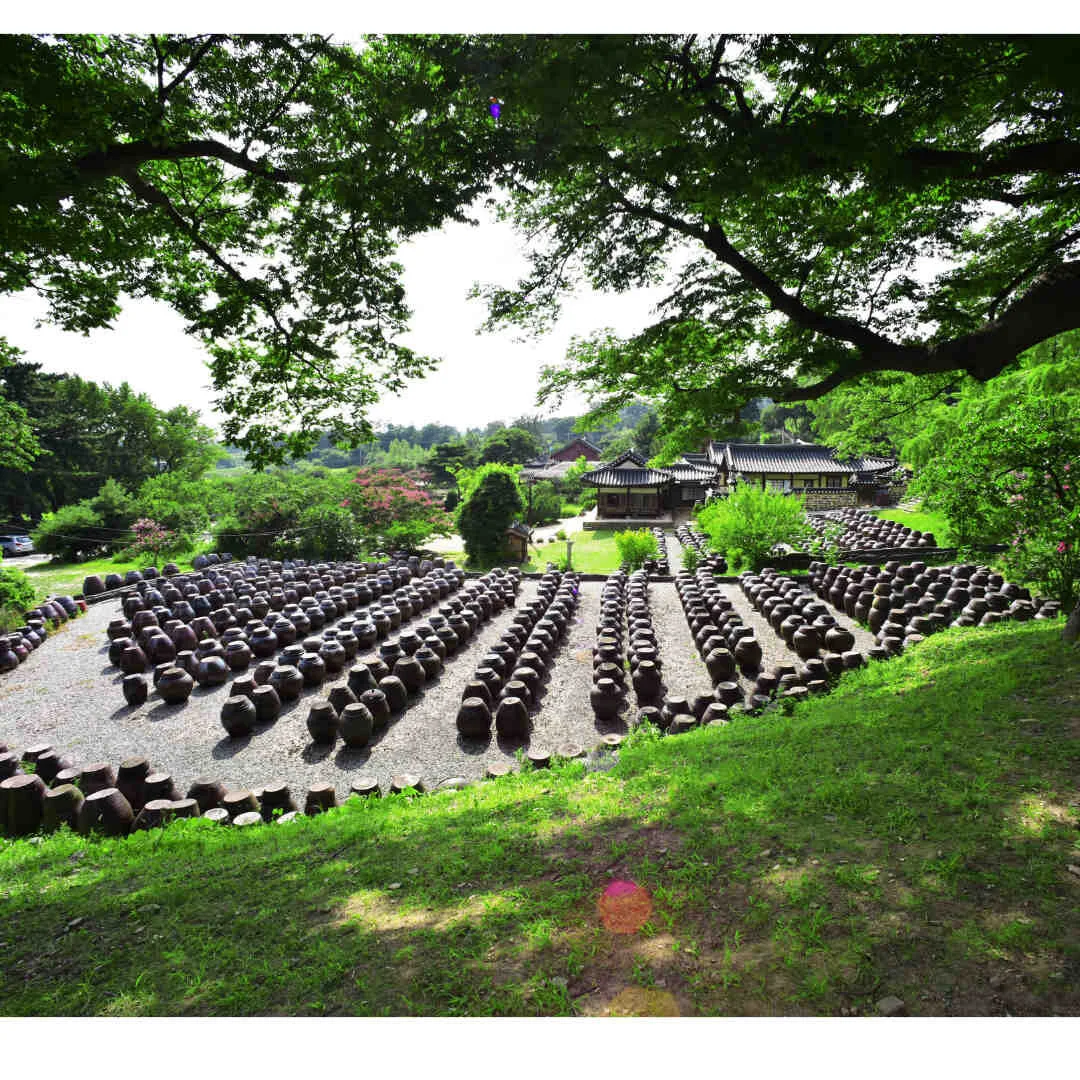
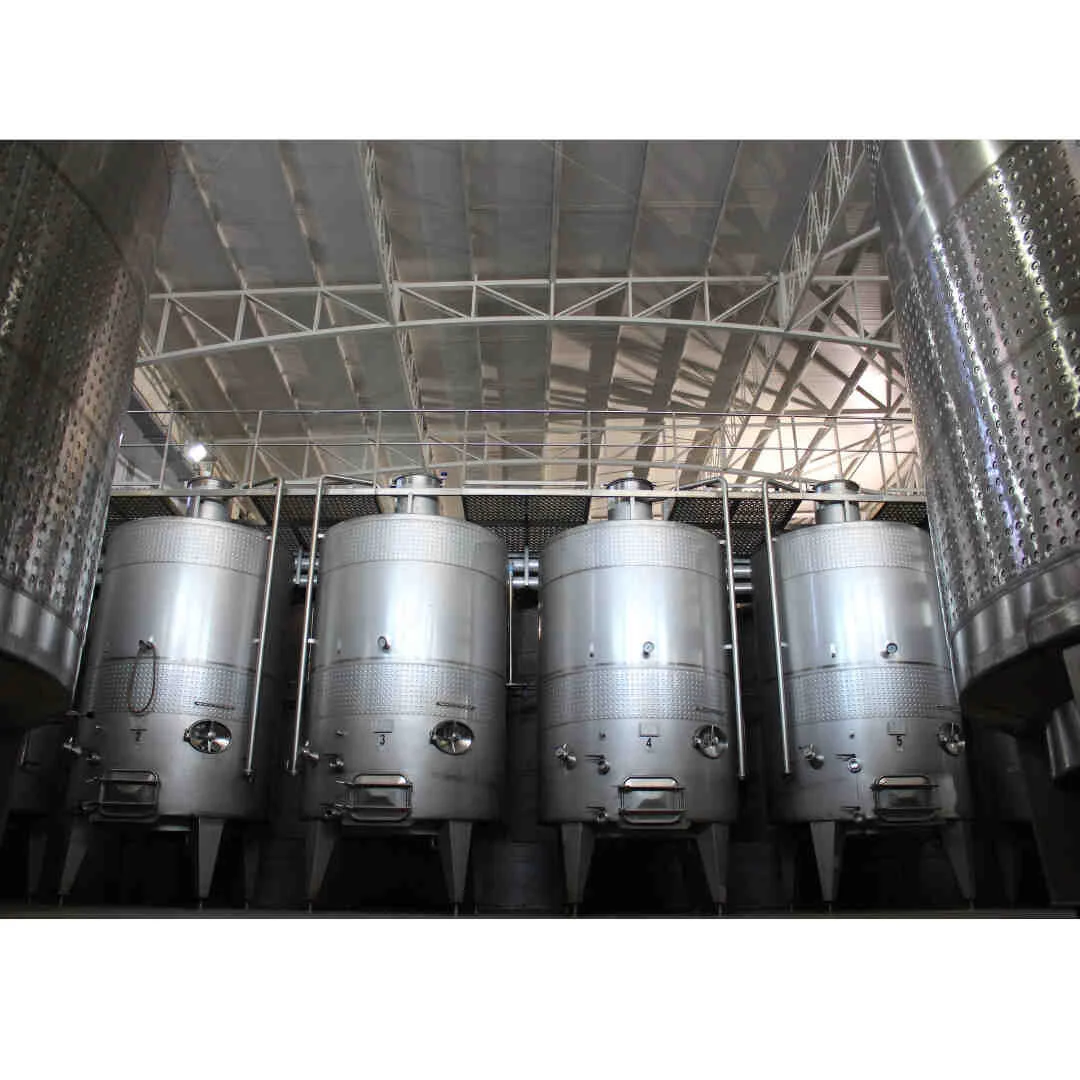
Please notice that I am constantly referring to Traditional Doenjang. Remember Traditional Doenjang should only have 3 ingredients: Soybeans, Water and Salt. Commercial products you find on store shelves are not the same.
First, it doesn’t make financial sense to allow for such a long fermentation period (from a processing point of view). Secondly, we as consumers probably wouldn’t want to wait months to buy Doenjang. Lastly, companies have food safety regulations to be mindful of which is usually achieved through chemical preservatives to keep food products shelf-stable.
Fermentation is sped up (adding other ingredients) or scrapped altogether (alternative ingredients).
Fermentation flavours are imitated (flavours and textures that would naturally occur are substituted).
Product needs to last for the duration of the Best Before date (preservatives).
We usually purchase packaged goods for their convenience. Personally, I won’t find the time to make Doenjang, Gochujang and Ganjang at home. It’s labour and time-intensive work. Just know that there will be trade-offs for that.
There are some good people (smaller companies) still trying to bring tradition to the masses. I really respect them for that.

This is a small, boutique operation led by a Korean artisan out of Virginia, US.
Ingredients: Soybeans, Water, Sea Salt.
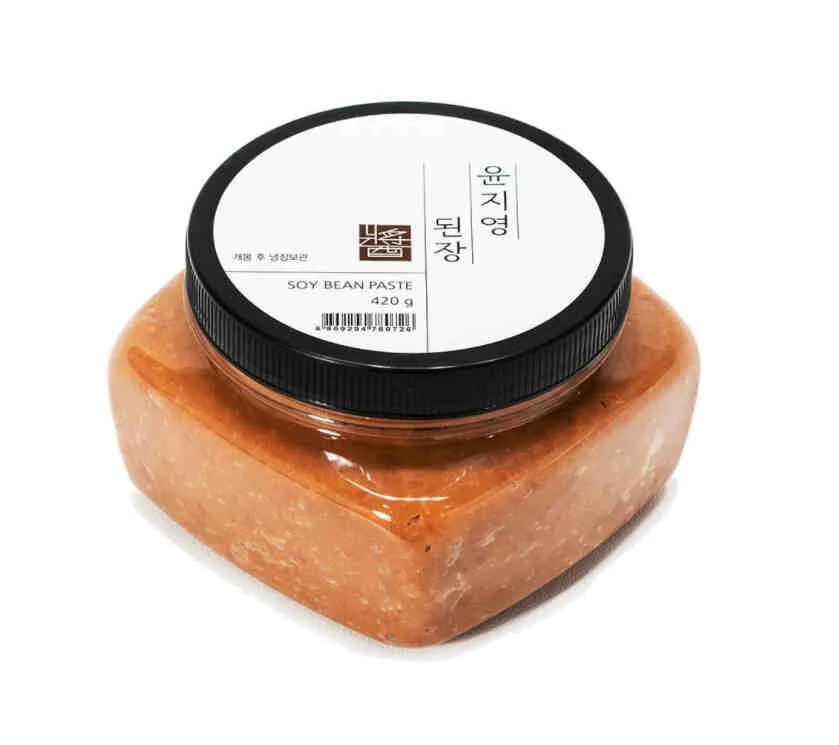
A young CEO who quit law school and set up shop to make healthy, natural Korean Jang.
Ingredients: Meju, Koji, Salt.
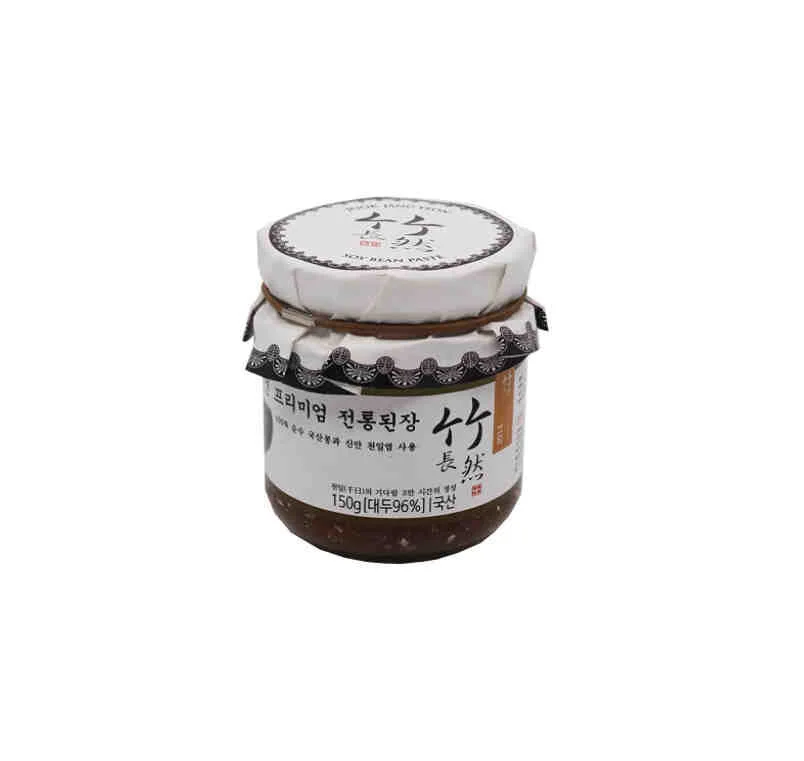
Making only 1,000 clay pots a year, fermented for 1,000 days.
Ingredients: Soybeans, Salt, Water.