Physical Address
304 North Cardinal St.
Dorchester Center, MA 02124
Physical Address
304 North Cardinal St.
Dorchester Center, MA 02124


Here I am, writing about my favourite go-to Korean noodles again. If you didn’t read my initial short-and-sweet post about it, go read it here. But spoiler alert, I’m basically gonna go over it again so… 😜.
Flour
Water
Salt
On one hand, it’s minimal ingredient list makes me pretty happy. On the other hand, it’s definitely not gluten-free. But we can’t have it all!
After much trial and error- including standing by the stove and constantly stirring the thing. I’ve decided on a method I learned about from Professor Baek (Korea’s unofficial food King) and found it works the best for reluctant, easily distracted home cooks like myself.

The main difference, I find as a long-term member of the Newbie Department of Cooking Stuff, between Korean noodles and say pasta noodles is the constant stirring and the necessity of it.
I won’t say pasta is by any means any better for me to cook, but I do make it at least once a week. That stuff will cook pretty much no matter what. As long as you have enough water in the pot, bring the water to a boil, don’t bring it to a boil, boil it the whole time, turn heat off after first boil and cook in the residual heat. It turns out just fine.
Pasta’s low maintenance like that. And if you get some stuck to the bottom of the pot? Not really a problem, just soak it in water for a while and it slides right off!
Korean noodles… they need some constant hand-holding. The worst that can happen? Noodles will stick to the bottom, and they won’t come off- until scraped and srubbed off.
No matter what method to your madness, I’d pretty strongly suggest you stand by the stove and stir it from time to time. Unless you like scrubbing pots.
“Pretty much keep stirring it and kind of don’t really stop”
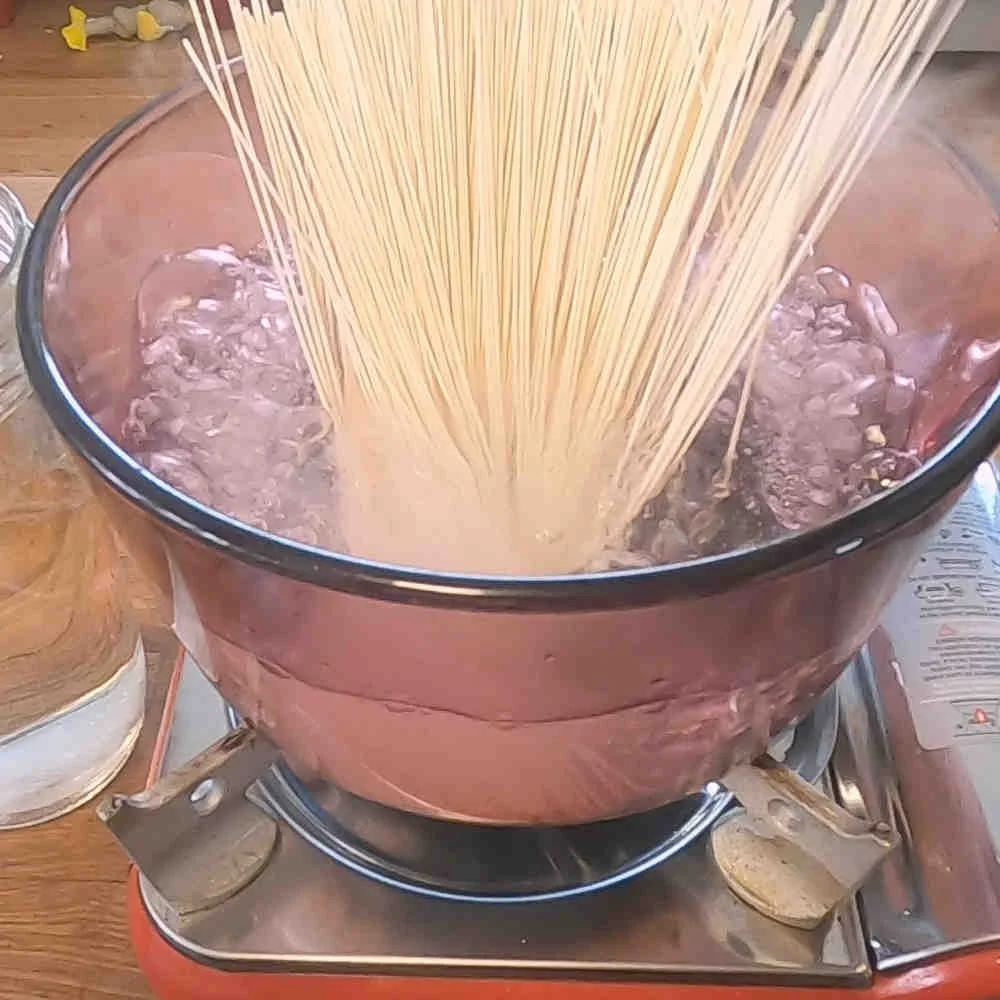
Things to Prep: Larger pot than you think you will need. Enough water to boil noodles + 2 additional cups of cold water (So this large pot I speak of should fit the initial water to boil the noodles plus accommodate 2 additional cups of water).
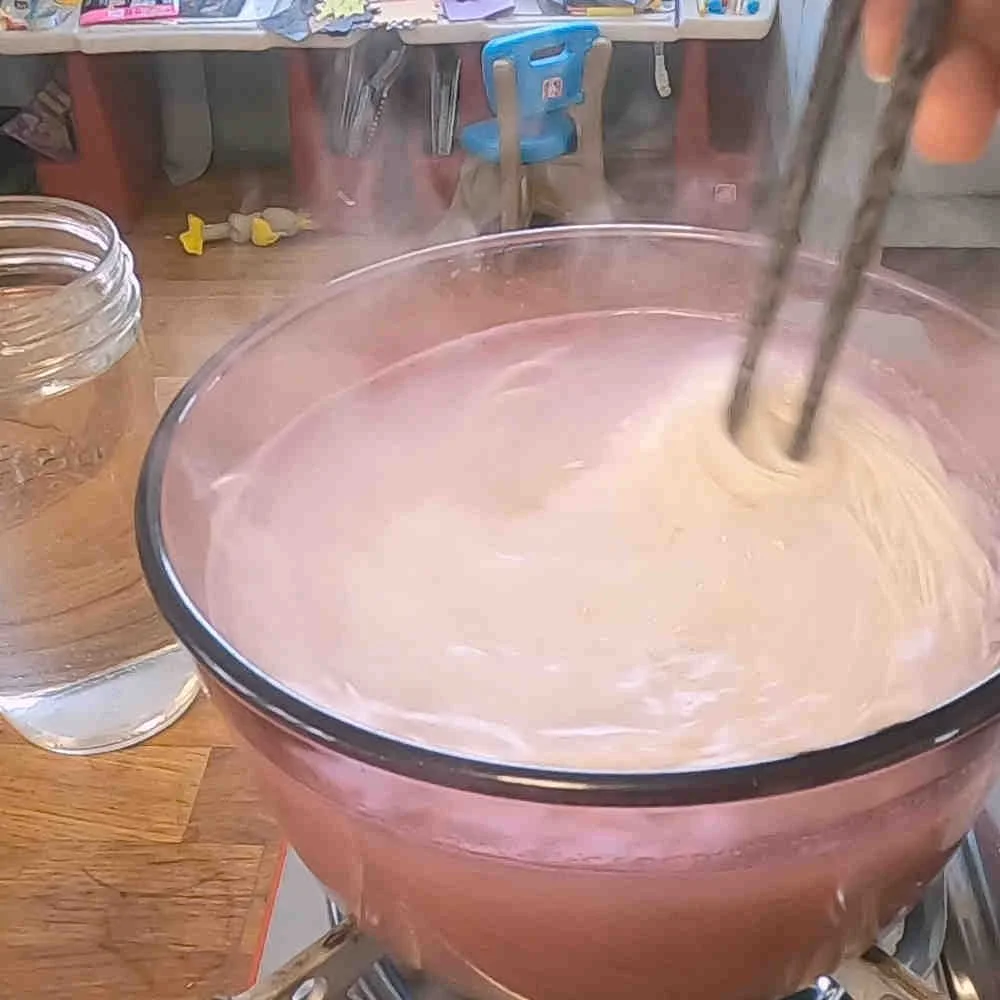

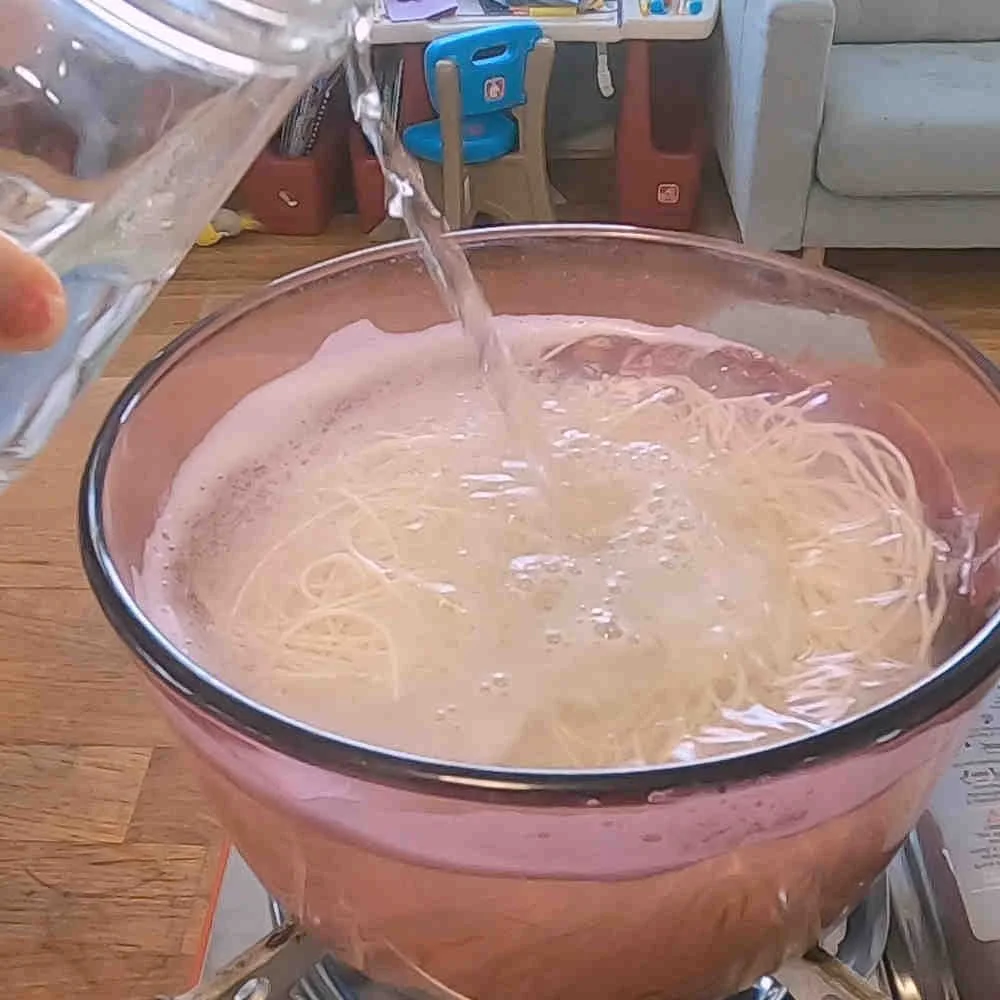
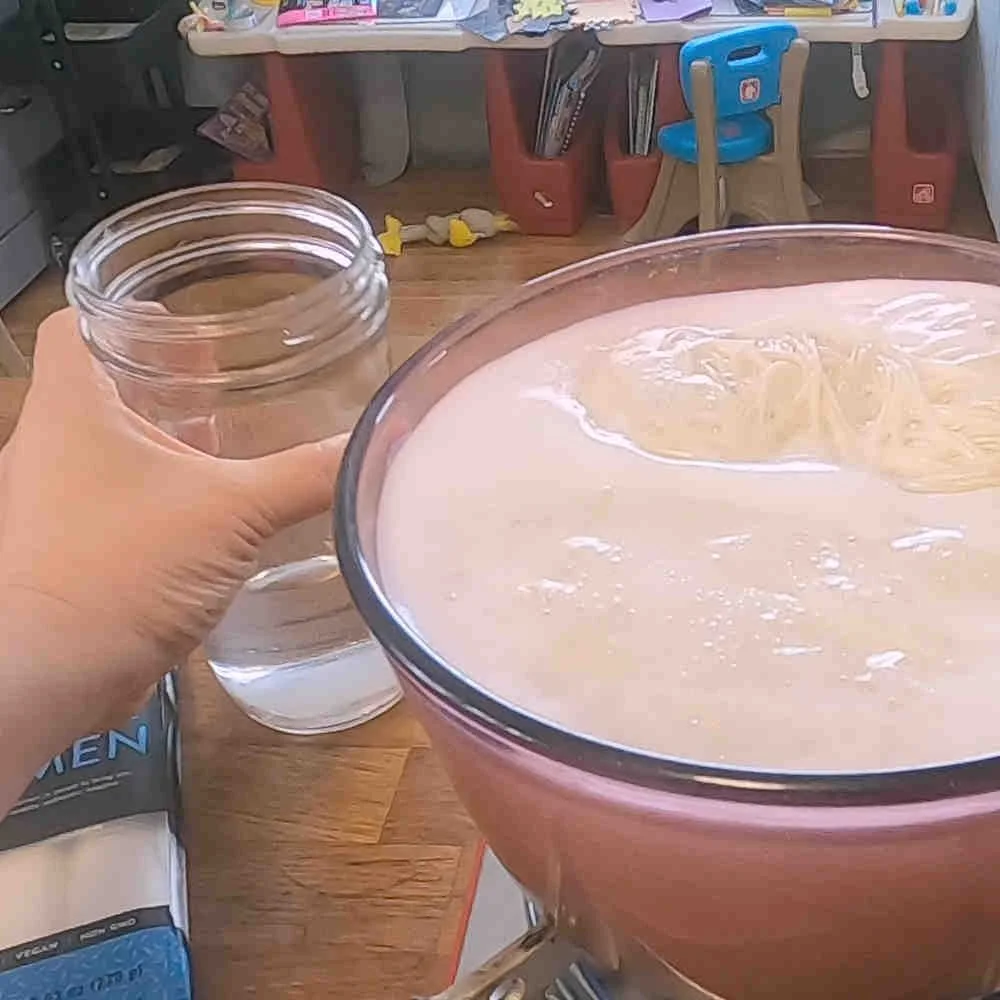
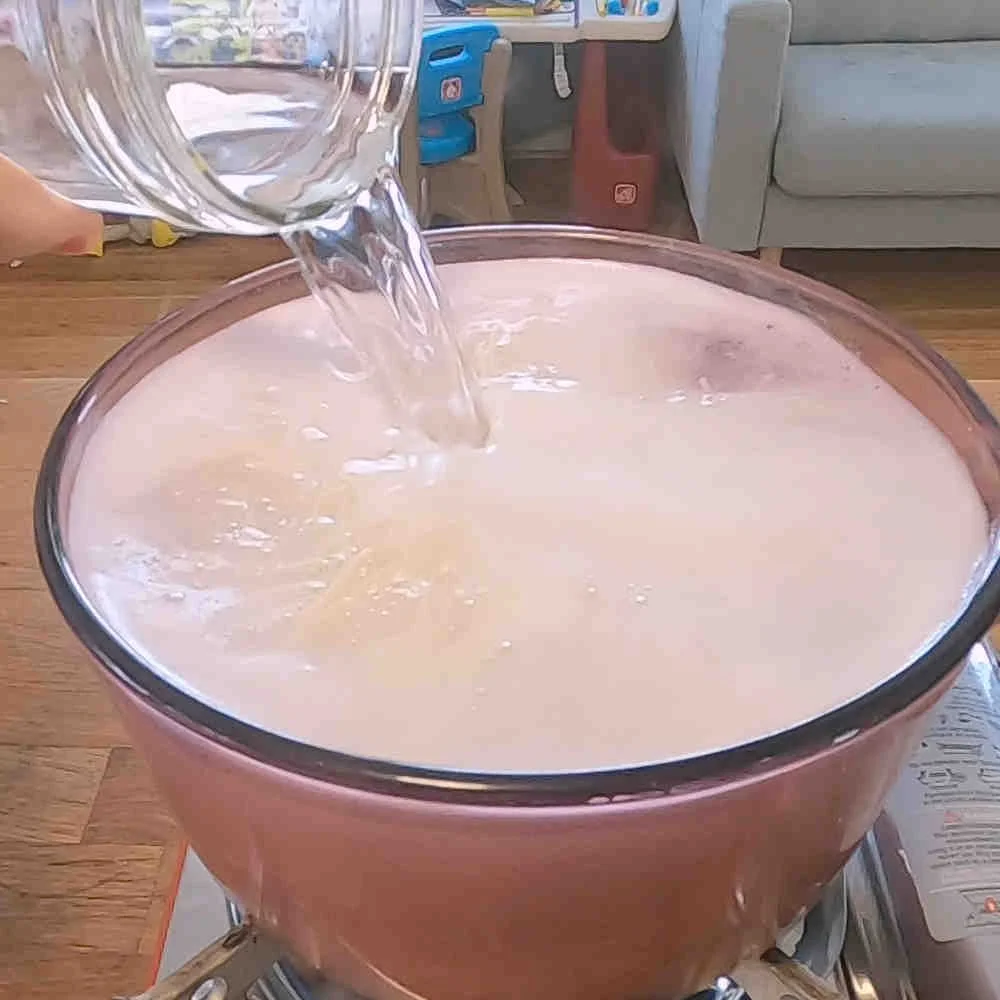
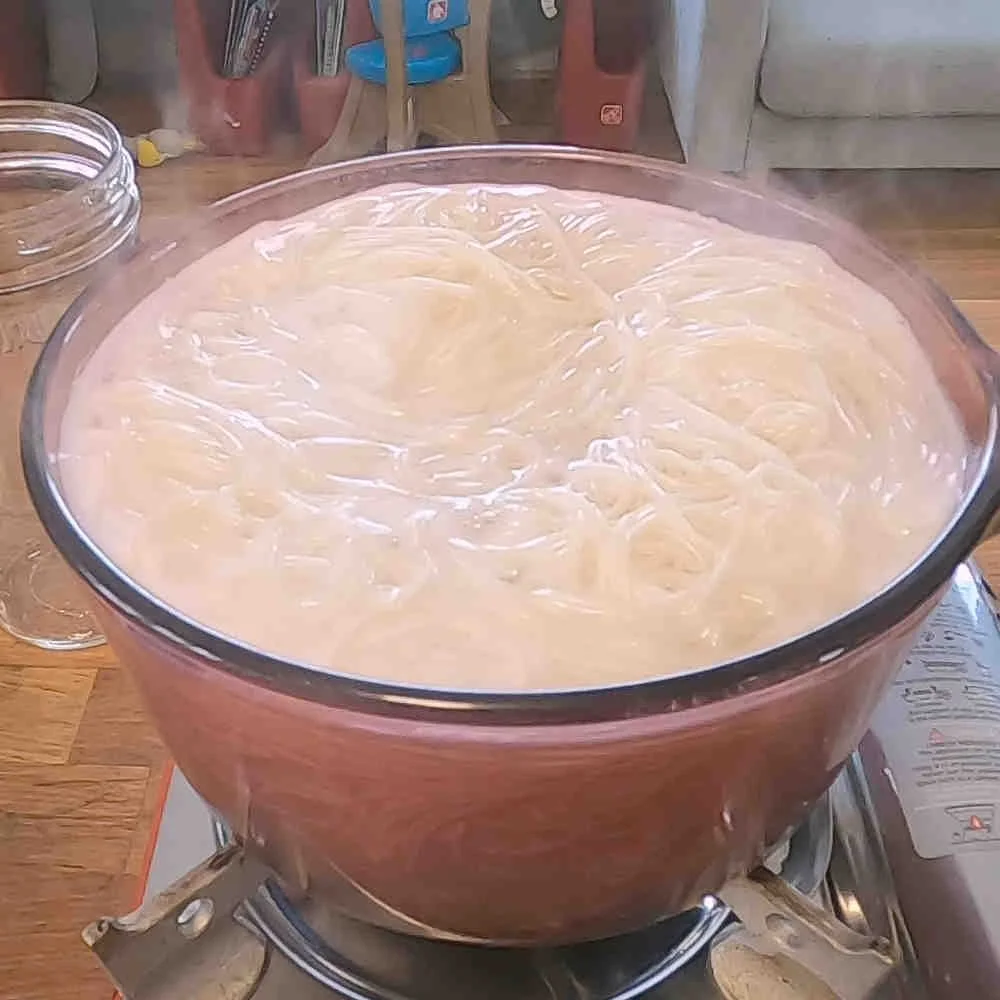
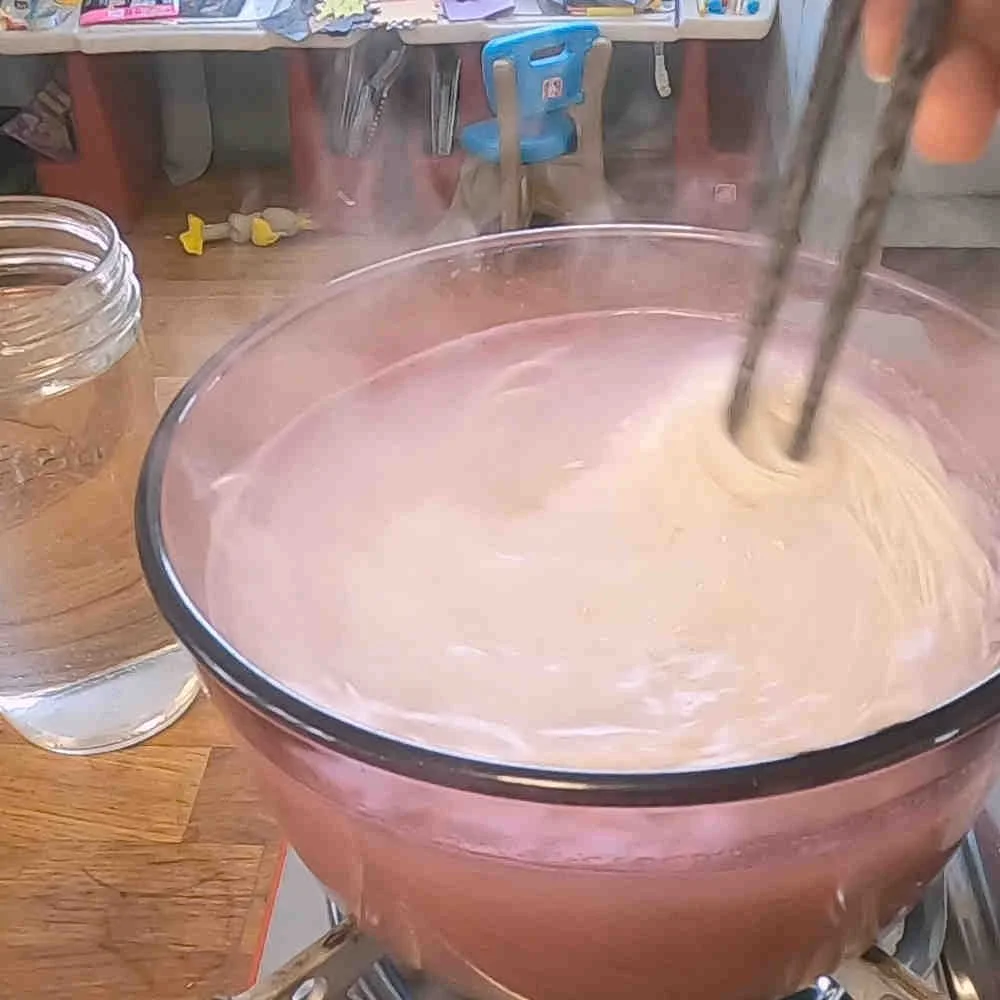
Stir so noodles don’t stick to the bottom.
When water boils it will froth up and possibly overflow.
Before that happens, grab your glass of cold water and pour it into the furious bubbles.
Stir some more and bring to 2nd boil.
Again, calm the bubbles with another shot of cold water.
When it comes bubbling up for a third time, noodles should be done.
Rinse in cold water immediately.
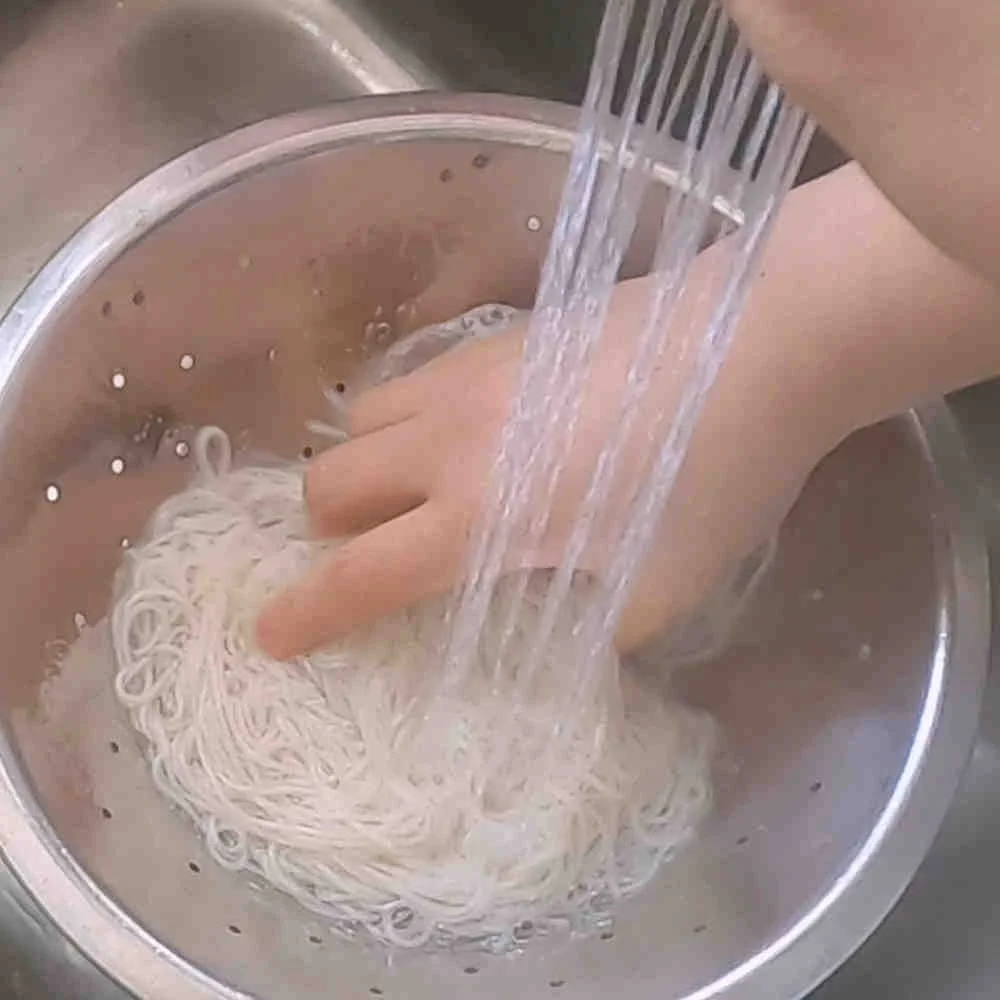
Pasta shouldn’t be rinsed after cooking because you want the starch for the tomato/cream sauce to stick to the noodles (source The Kitchn). Exception for when you cook pasta but then you plan to eat it cold (like in a salad), but I don’t make that so for the sake of simplicity in my brain: I don’t rinse pasta.
Korean noodles, you want to wash off all the starch 1) because it’s most often used in broths and you don’t want to taste the starch and 2) shocking it in cold after cooking stops the cooking process quickly and gives a delicious chew to the noodle.
I used to wonder at rinsing it in cold water (some people get serious about it and use ice cubes!) just to add it back to a hot broth.
Then I realized people don’t usually cook in a hangry rush like we seem to on the daily. I think they make the noodles, rinse in freezing water to get a nice bouncy texture, then let it come up to like room temperature again while cooking… the other components of the meal I guess?
I honestly am not that person so I cannot confirm or deny, but that is my best guesstimation on the topic.
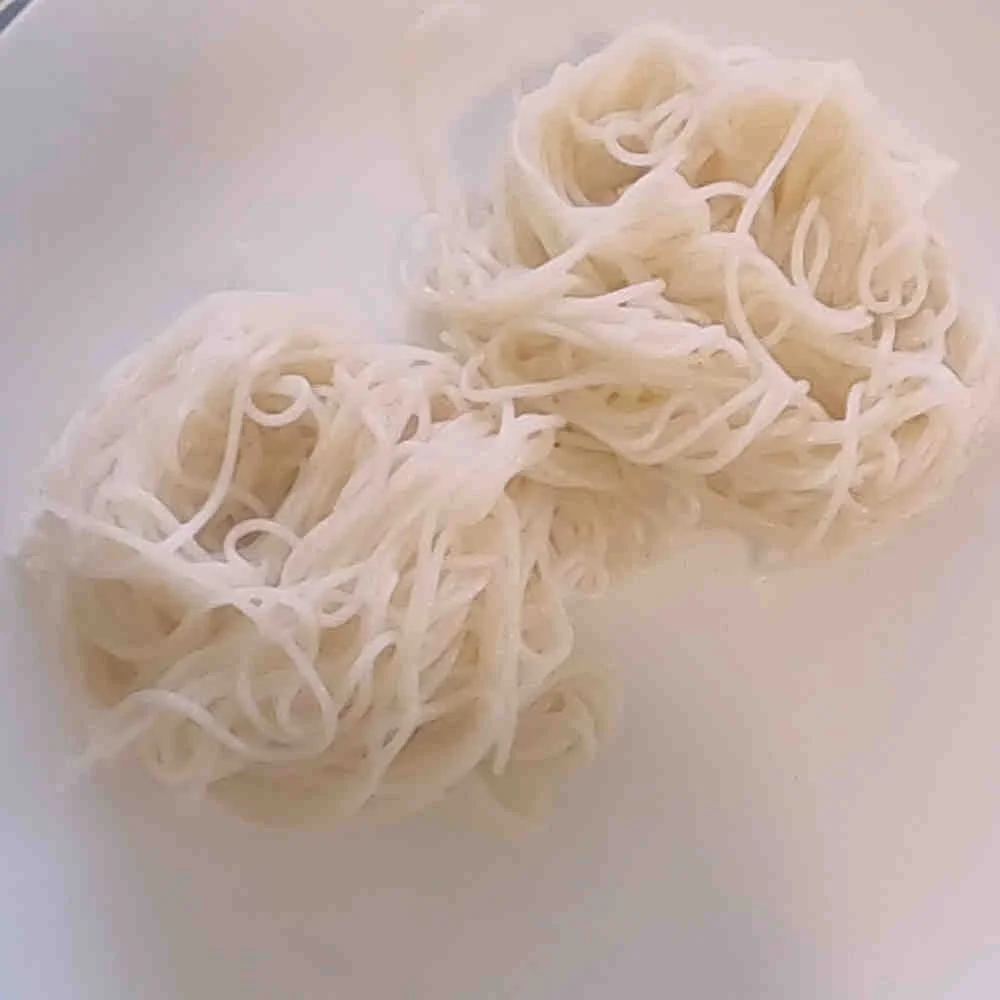
So after rinsing them, you want to kind of wind them around your hand a couple of times and make a type of nest. Because as they sit on the counter (coming back to room temperature while you’re making the broth/soup or whatever else), they will become sticky.
So clumping them this way kind of keeps them neat and ready to serve. We usually use 1 for kids and 2 for adults as a rough basis for sizing them.
Some errant strands that didn’t get tucked into the “nest” may crisp up into a crusty, dry noodle, but for the most part, once you place them into an Extra Hot (the preferred temperature of soup for Koreans) bowl of soup, they become perfect again.
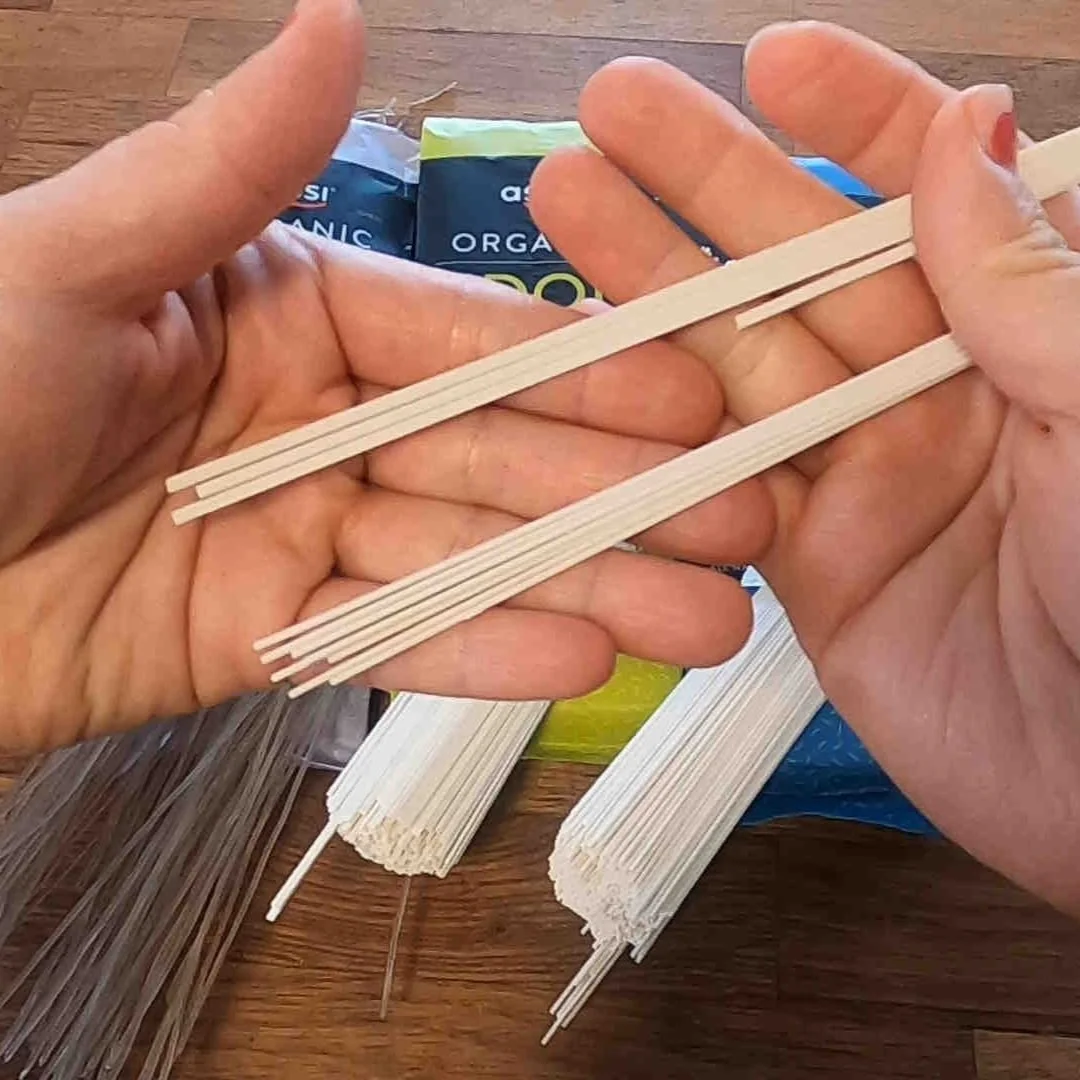
The only difference between Somyeon noodles and Kalguksu noodles are the size.
Here’s an amazing article with pictures about pasta by Jessica Gavin “Culinary Scientist”- I like her blog.
Think of the hundreds (hundreds!) of different sized pasta shapes out of the same recipe of flour+water or flour+egg. Same concept except Korean noodles has a minimalist 2 🤣 to choose from. A thin one (Somyeon) and a thicker one (used for Kalguksu/Udong/Jajangmyun dishes). Both are made of exactly the same thing: Flour, salt, water.
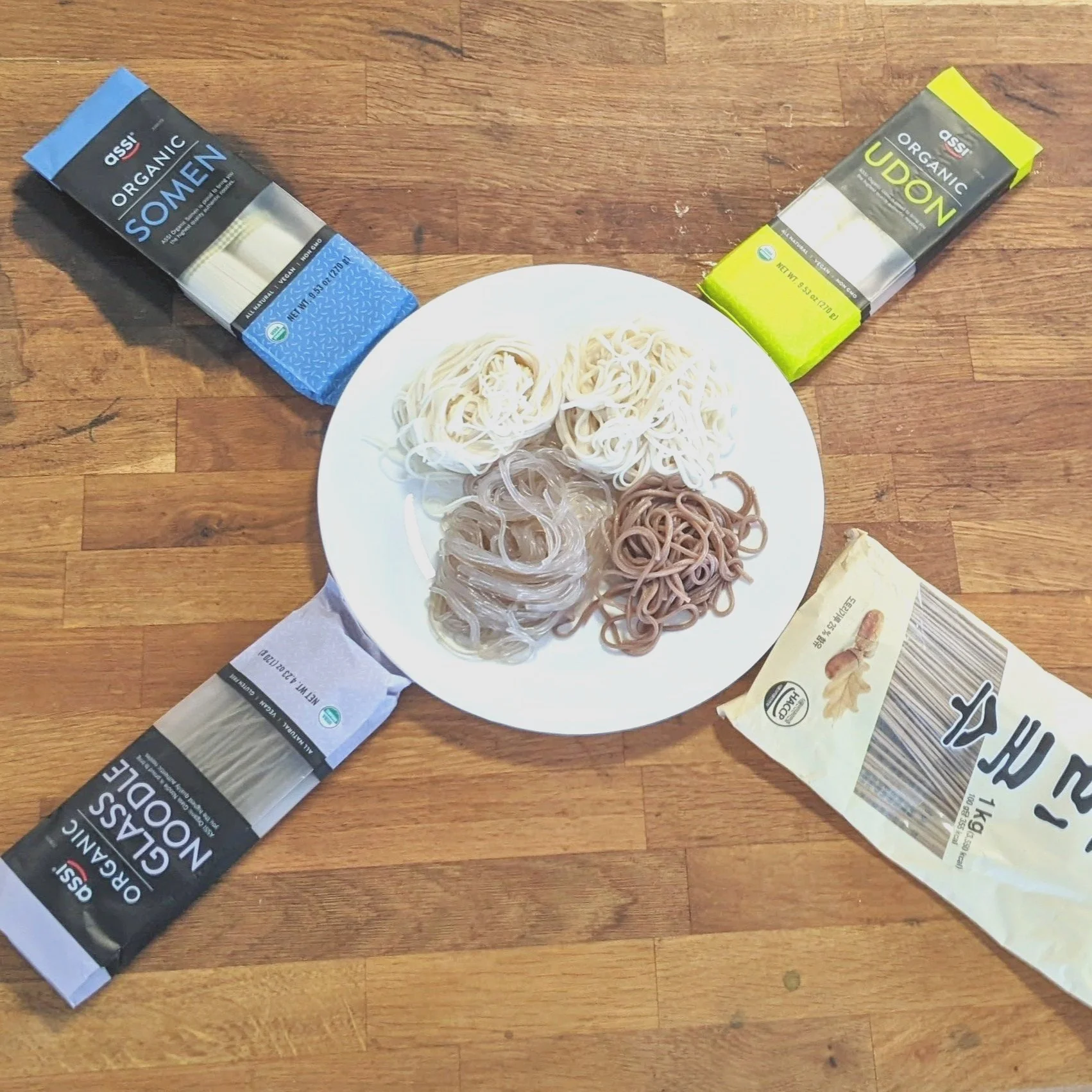
So from my shopping trip at the Korean grocery store for Korean noodles for the making of Korean food, I realized the following.
Only 3 Noodles You Really Ever Need To Buy for Korean Cooking:
Somyeon: Thin noodles.
Kalguksu: Thick noodles.
Dangmyun: Glass noodles.
Somyeon 소면 is most commonly used for Janchi Guksu (Party of Feast Noodles), a clear anchovy-based broth or Bibim Guksu made of a sweetened Gochujang paste.
Kalguksu 칼국수 (aka Udong or Jajangmyun Noodle for simplicity in marketing purposes for companies 🙄) is most commonly used for Kalguksu (anchovy-based broth) but can also be used for Jjajangmyun.
Dangmyun 당면 are clear noodles made of potato starch. It takes a bit longer to cook and has a nice chewy bite. Famously used for Korean Rainbow Noodles aka Japchae (am I the only one to call it that? let’s make it a thing🌈✨).
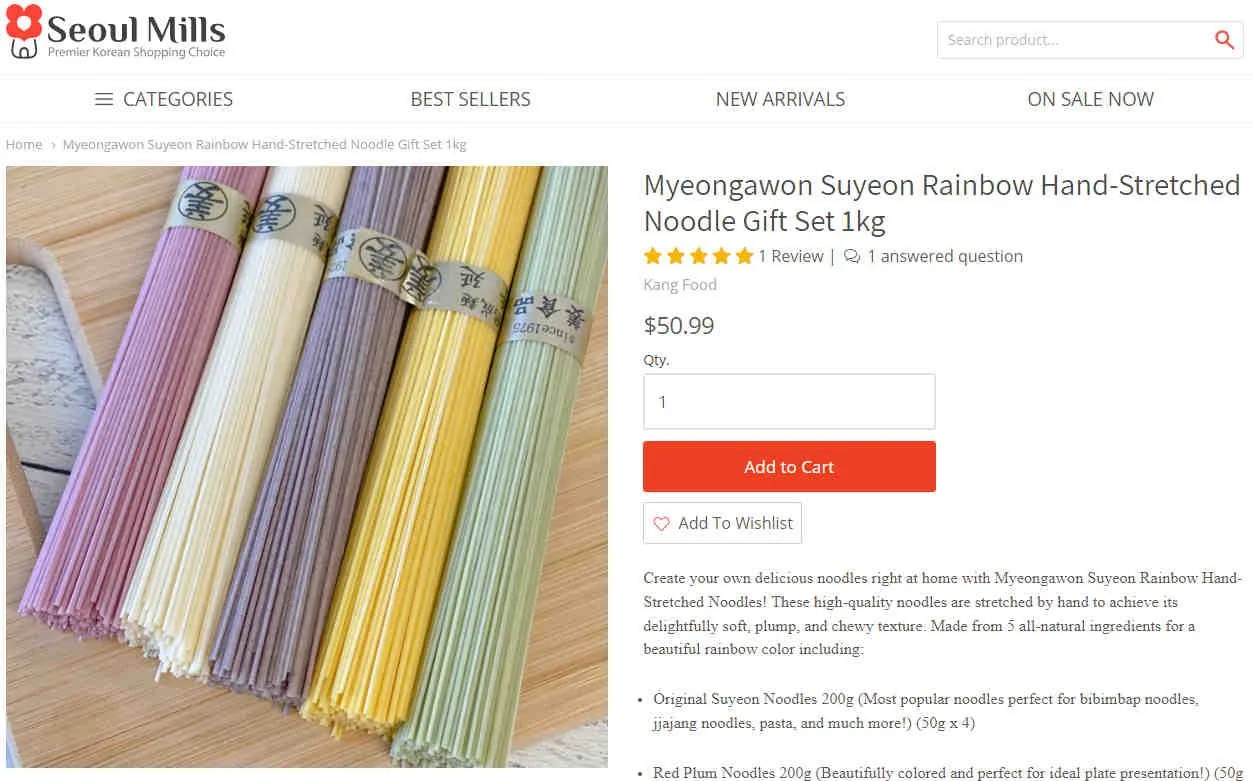
Oh my gosh, look at the beauties I found when I googled Korean Rainbow Noodles. They are dyed those gorgeous pastel shades with all natural ingredients like plum, sweet pumpkin, mate tea, black rice, gardenia red and green palm pod. Mmm!
The price point is painful (yikes!) but for those super-special meals to impress that super-special someone… (I’m talking in-law level here 🤭).
Honestly, I’m uber excited by the growing accessibility of smaller Korean companies and hope to see more (that will also ship to Canada please 😭) of them!