Physical Address
304 North Cardinal St.
Dorchester Center, MA 02124
Physical Address
304 North Cardinal St.
Dorchester Center, MA 02124


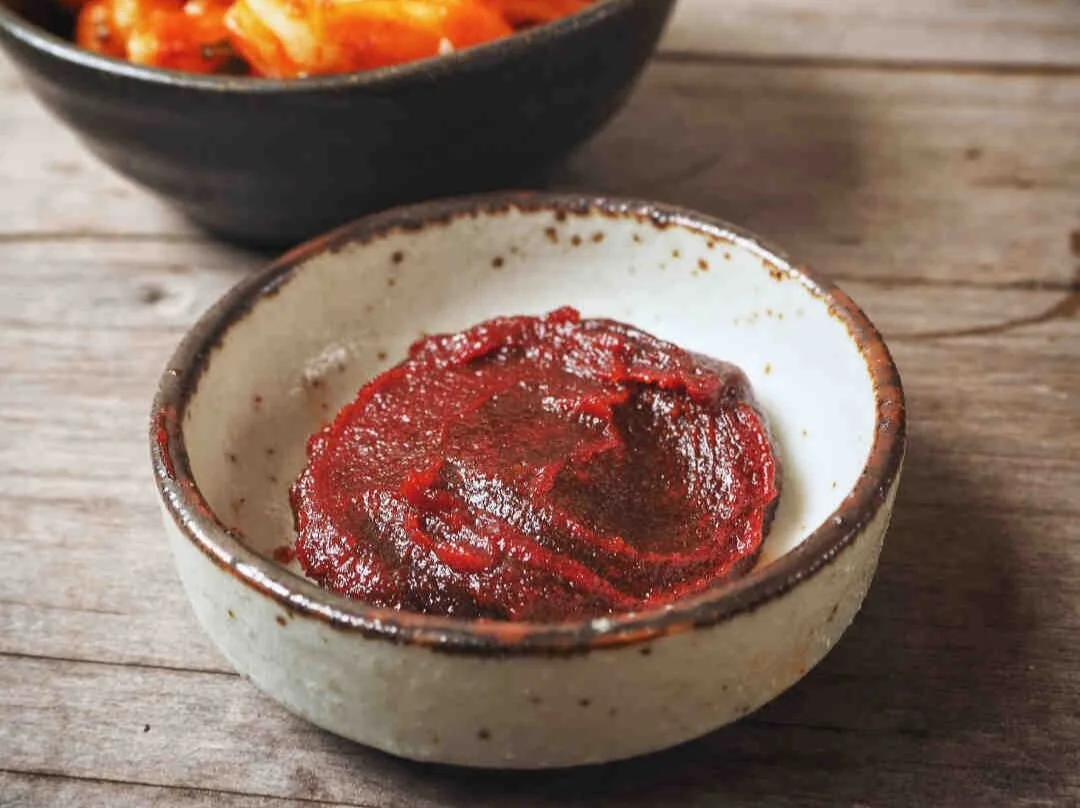
Unfortunately, most commercial Gochujang are poor quality imitations of a real Korean traditional red pepper paste. Their main ingredients are commonly sugar (most often corn syrup) and flour rather than rice starch syrup and rice flour. Their red pepper powder composition is also much too low at 12% or less when it would be at least at 30% in a traditional paste.
Korean seasonings are the 3 Jang’s: Doenjang (fermented soybean paste), Ganjang (soy sauce) and Gochujang (fermented chili paste). Traditionally, they are rich in health benefits due to the fact they are all fermented products. It is therefore quite disappointing to know that most of the products on store shelves are poor imitations of the real thing.
There are good quality Gochujang being made by smaller companies and artisan producers but their prices are higher. Also they are not as widely distributed. But if you have concerns about chemical additives or have food sensitivities, it might be worthwhile to seek out alternatives.
The best way to identify a quality Gochujang is to inspect the ingredients list. Although the skeptic in me tells me to take these with a grain of salt as well- sometimes there are typographical errors that make me question the integrity of the translated information.
Homemade Gochujang uses minimal ingredients: Gochugaru, Meju Powder, Rice Syrup, Salt. Try to get one with an ingredients list that doesn’t stray too far from that.
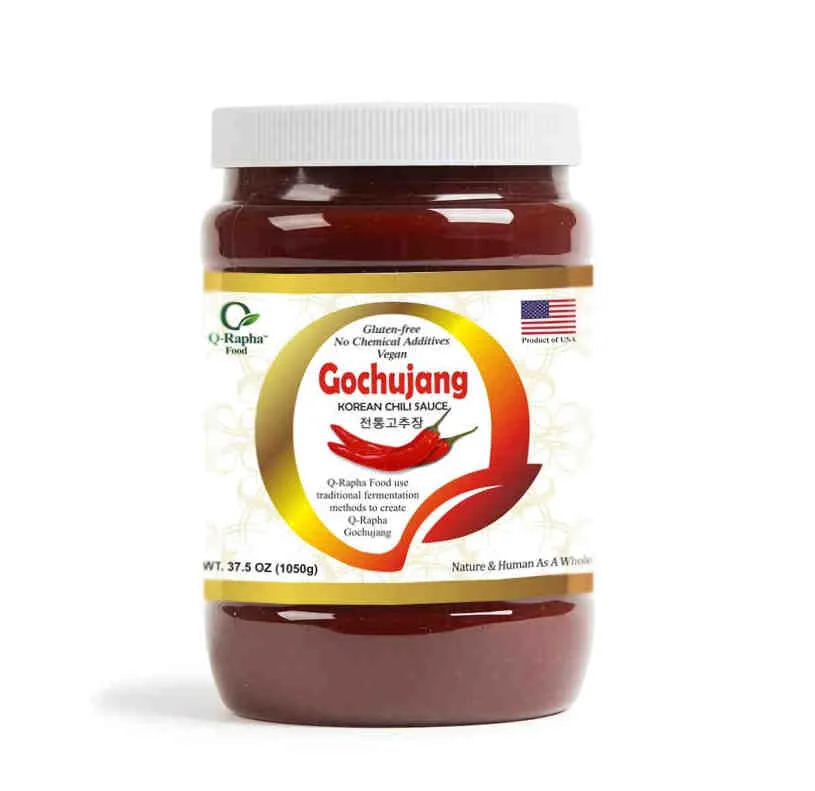
A Korean artisan has been making all-natural Korean ingredients (Doenjang, Gochujang, Ganjang) in Virginia (US) since 1999.
Water, Soybean Powder, Cane Sugar, Gochugaru (Korean red pepper powder), Tomato, Brown Rice Syrup, Sea Salt, Spirits.
Tomatoes are not a typical ingredient in Gochujang, but I appreciate their creativity in using another whole food ingredient to add flavour. In Korea, you will find homemade or boutique companies making Strawberry Gochujang, Tomato Gochujang and Korean Pear Gochujang. A natural sweetener can also reduce the amount of other sugars needed and brings its own delicious flavours- also, cooked tomatoes have high levels of phytochemicals (heart health and cancer-fighting abilities!).
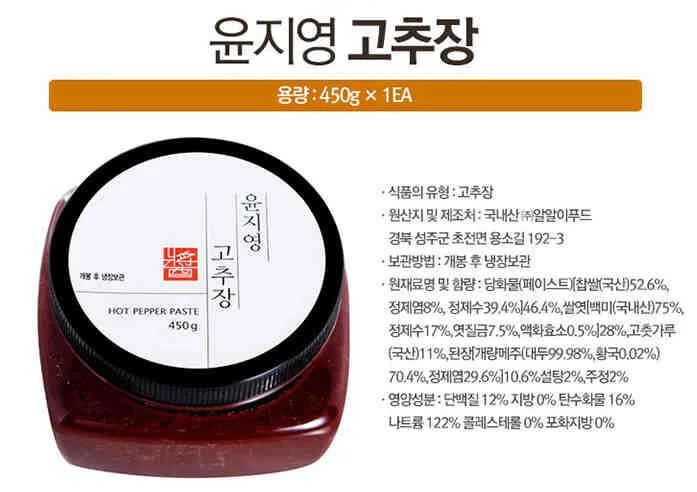
A young woman quit law school to create this health-focused food company and succeeded against the odds to become an online powerhouse in Korea.
Sweet Rice Paste, Rice Malt, Water, Malt, Liquefied Enzyme, Gochugaru (Korean red pepper powder), Doenjang, Salt, Sugar, Spirits.
These are the types of Gochujang (traditionally-made with minimal ingredients and processed with proper fermentation) that yield health benefits.

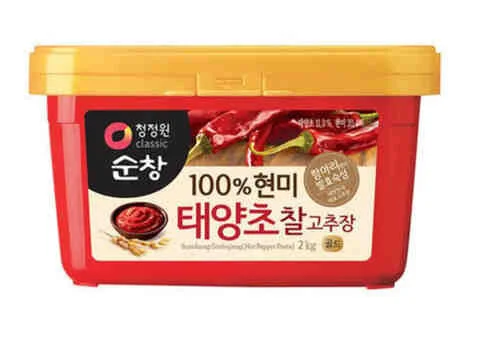
Tapioca Syrup, Water, Brown Rice, Red Pepper Powder, Salt, Alcohol (preservative), Soybean, Garlic, Onion.
Marketing: 100% Brown Rice (Hyun-Mee 현미) TaeYangCho (태양초) Red Pepper Paste. Brown rice is known to be more nutritious than white or sweet rice. TaeYangCho means the peppers were dried in sunlight (although the integrity and efficacy of this practice is debatable- technologies allow even and efficient drying and the nutrition difference is negligible).
Also, SunChang 순창 is the name of a mountainous region in Korea famous for their Gochujang. But companies just seem to use it as part of a brand, there is no guarantee a product has any connection to SunChang just because it has this on their label. Chung Jung One commits to using SunChang traditional methods– in their production facilities (matching temperature and humidity conditions etc).
I’m really skeptical that this is all there is. It seems simplified or summarized as the product below is the exact same product, but the Korean ingredients list is a lot longer. Do take translated ingredient lists with a grain of salt. Also, I thought Tapioca Syrup was replacing the more typical rice syrup. Turns out it replaces Corn Syrup, guys. That is the first ingredient which means is the ingredient with the largest amount. This is like buying sugar with a hint of peppers- and this product is not even the worst offender. It’s actually a best-selling product.
Total Gochugaru (required information on Korean labelling): 11.3%
Brown Rice, Gochugaru (Korean red pepper powder) sourced from Korea 3%, Corn Syrup, Red Pepper “Seasoning” (mixed Gochugaru 8.3%, garlic, onion sourced from China), Water, Meju made for Gochujang, Imosalto-Oligosaccharide, Salt (Korean), Spirits, Brown Rice Powder, Yeast Powder.
Korean label regulations are different and must list the source country of ingredients. The first misleading ingredient is Gochugaru. You will find in the full ingredients list that only 3% of Gochugaru contained is Korean, the rest are Chinese red pepper powder mixed within the mysterious element “red pepper seasoning”.
Actually, you’ll find many inexpensive Gochujang will contain mostly this “red pepper seasoning” rather than real red pepper powder. It is a significantly cheaper ingredient (=more profits!). Also, I’m really not sure what “Meju made for Gochujang” means, but it can’t be good if they’re offering up this extra information. Meju should only be naturally fermented whole soybeans.
Lastly, the type of sweetener. There is a perception that Oligosaccharides are a healthier sugar alternative, but note that the third ingredient is actually Corn Syrup. This is a common thing they seem to do- add just a bit of a better ingredient in addition to inferior ones and hope you won’t notice the other.
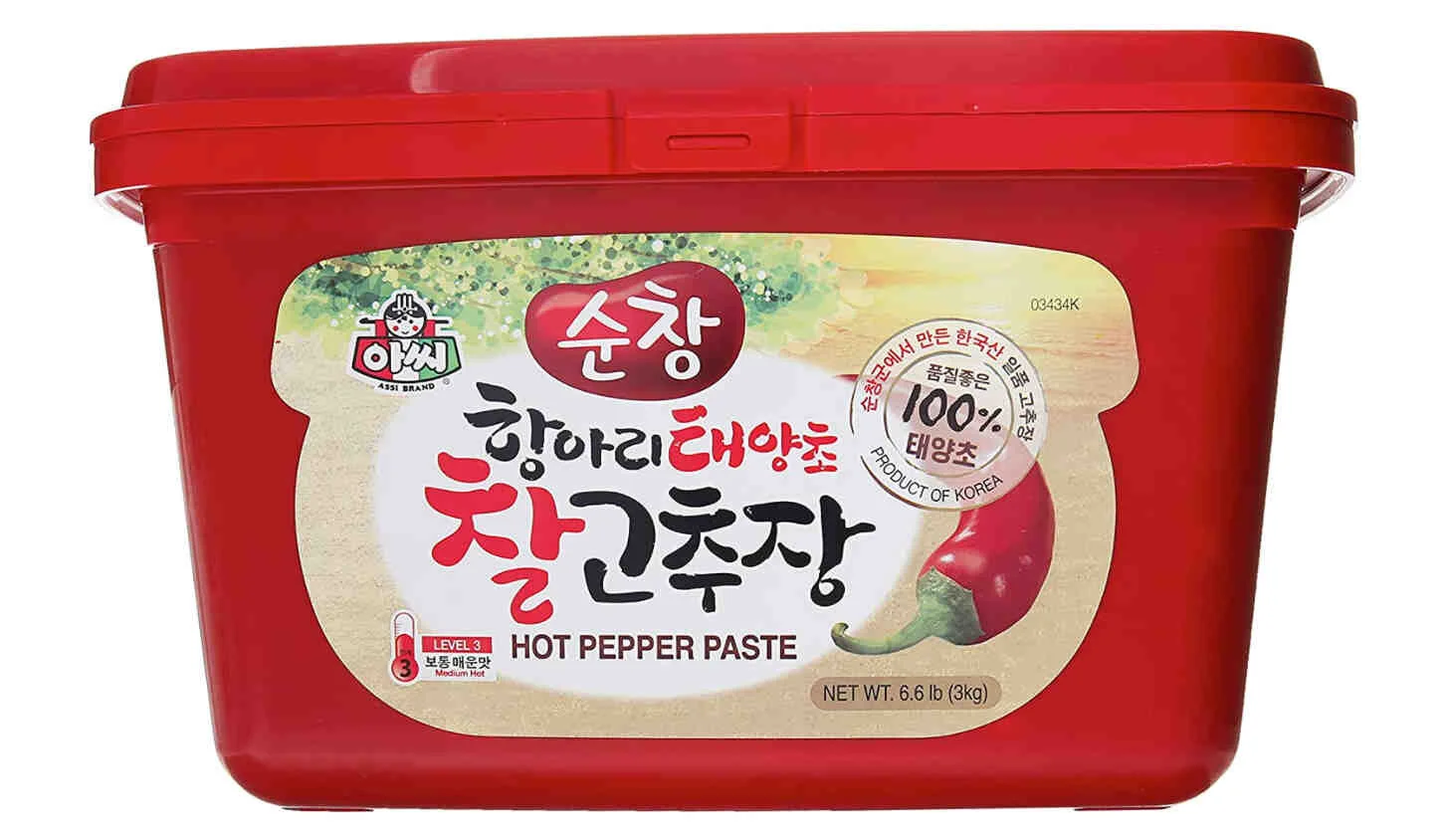
Wheat Flour, Wheat Rice, Salt, Seed Malt, Corn Syrup, Red Pepper Seasoning, Grain Alcohol, Monosodium L-Glutamate, Soybean Powder, Rice Powder, Water.
Marketing: Sunchang 순창 Hanggari (항아리) TaeYangCho (태양초) Chal (찰) Gochujang (고추장). According to this label, this very inexpensive Gochujang was made in Sunchang or with Sunchang methods (who knows, Sunchang has lost its meaning as companies just write it on everything), was made traditionally in a clay pot, with peppers dried fully in sunlight only with all Korean-sourced ingredients. At this price point, this is impossible, guys. Let’s just leave it at that.
I appreciate ASSI for making Asian food products available outside of Asia, however, if you do have a choice, buy from an actual manufacturer. Please know you won’t the best quality products from distribution companies like ASSI and WANG.
This one has an incredible amount of filler. There is no reason for there to be flour in this except that it helps bulk up the product. What do they mean by “Wheat Rice”? No idea.
The biggest culprits are the “red pepper seasoning” and corn syrup. Gochujang’s purpose is to be a paste-form of Gochugaru. With less than 12% of it, is it really the same thing? Some say that most factory-made Doenjang, Soy Sauce and Gochujang are poor imitations of the real thing with negligible health benefits- I tend to agree.
If all you want is that Korean flavour and don’t mind that these sauces are made in a cheap and cheerful way, feel free to take your pick at the supermarket. These products have flavour in mind first and foremost and you’ll find them tasty. However, most people who actually buy Korean ingredients (aside from just enjoying Korean food at restaurants) want to reap the health benefits connected to fermented foods. You won’t find it high-quality, naturally fermented food products mass-produced from big companies.
It’s difficult to gain any real health benefits consuming most Soy Sauce, Doenjang or Gochujang from mainstream products found at the supermarket. Unfortunately.
It’s so difficult for even Koreans living in Korea to choose Gochujang (not to mention Soy Sauce and Doenjang) because of confusing marketing campaigns. Sometimes the best advice experts can offer to easily identify a quality product quickly is to choose one in a glass container. The reasoning being that the extra care given to packaging will hopefully translate to an equally cared for product.
There are numerous brands available, but these are the most commonly found in North American Korean grocers and online.
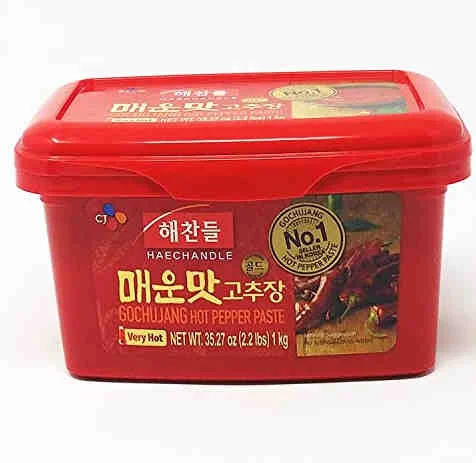
CJ (Cheil-Jedang) is Korea’s #1 Food Brand in Korea. Their Jang (Korean Seasonings) brand is Haechandle. They have various types of Gochujang, but we will most likely see this type on the shelves.
Marketing: No.1 Seller, Hot Gochujang. I believe this is a best-seller because CJ is the giant in food product production. This one say “Very Hot” in English but this isn’t the hottest one. Their spiciest Gochujang is called “매우 매운맛” which translates to “Very Hot” which would make it Very, Very Hot, I suppose.
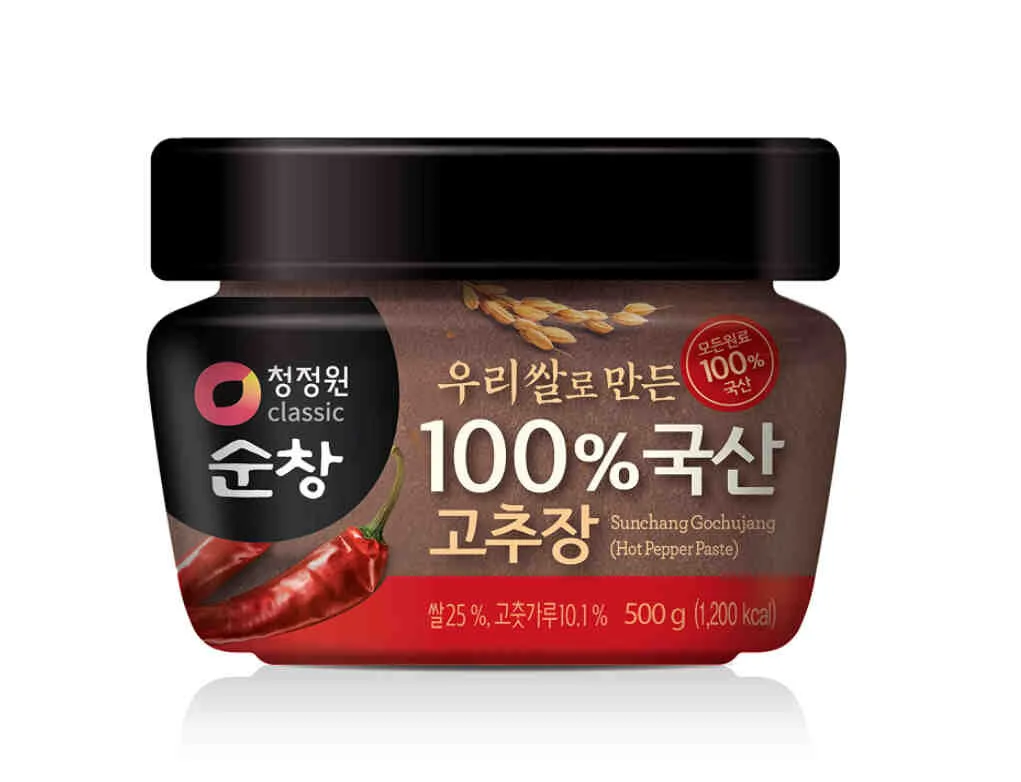
Chung Jung One is the #2 food company in Korea and they also do Gochujang. My issue is that they have too many varieties. There’s choice and then there’s just too much choice.
The King of Soy Sauce also does Gochujang. Their Gochujang is not as highly rated as their soy sauces. I’d stick with their Yangjo and Joseon soy sauces and get Gochujang elsewhere.
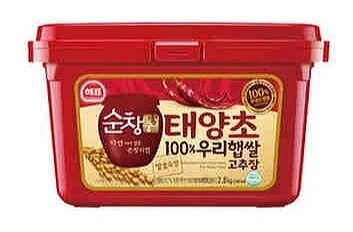
It may be branded as Sajo or Haepyo- they’re the same. Their specialty is fish and canned fish products- but their range is very diverse. I just don’t think they’re specialists in Gochujang (or Doenjang or Ganjang Soy Sauce).
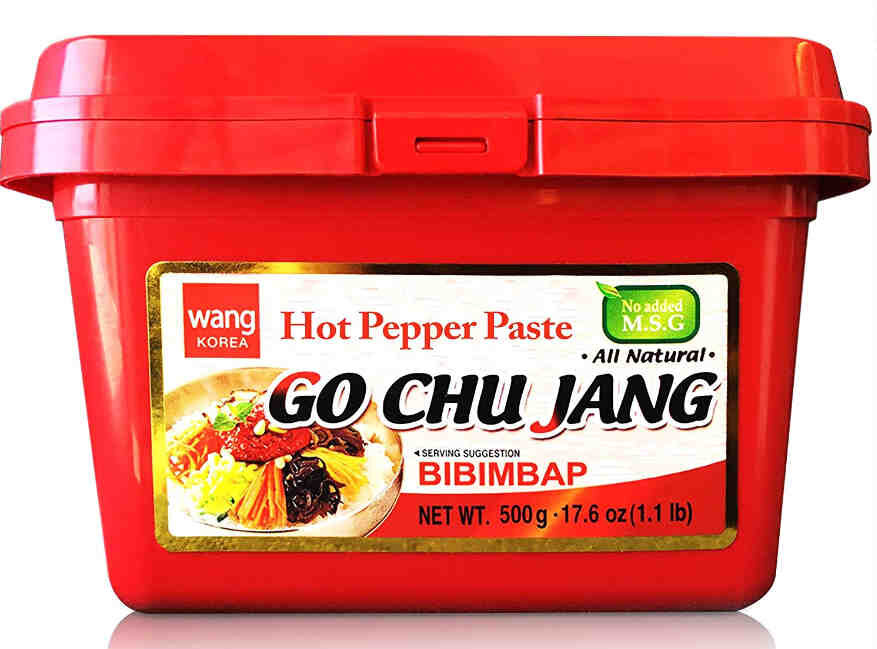
Assi and Wang are the in-house brands of distribution companies bringing Asian products to the West. They do not manufacture or process any products. They simply choose a company to work with (they do claim to work with only the best suppliers though) and put their labels on them. Expect the basics.
When you go to the supermarket to grab some Gochujang, just be aware that these are not traditionally made products and mostly have flavour in mind. You can choose any of the above to enjoy dependable, tasty, Gochujang-like flavours.
You won’t get health benefits from consuming these types of Gochujang because they usually omit the fermentation process. There may be slight differences in type or proportion of ingredients, but they’re basically the same, mass-produced Gochujang-like paste. A surefire way to recognize a lower quality product that has omitted fermentation is if you see Corn Syrup or Wheat.
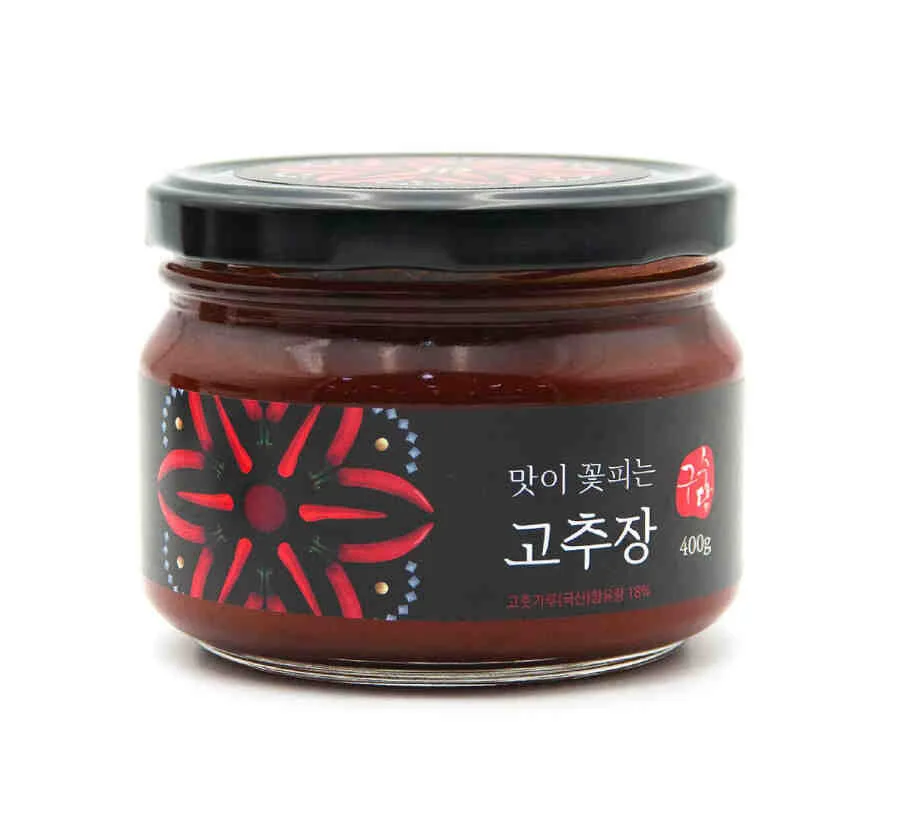
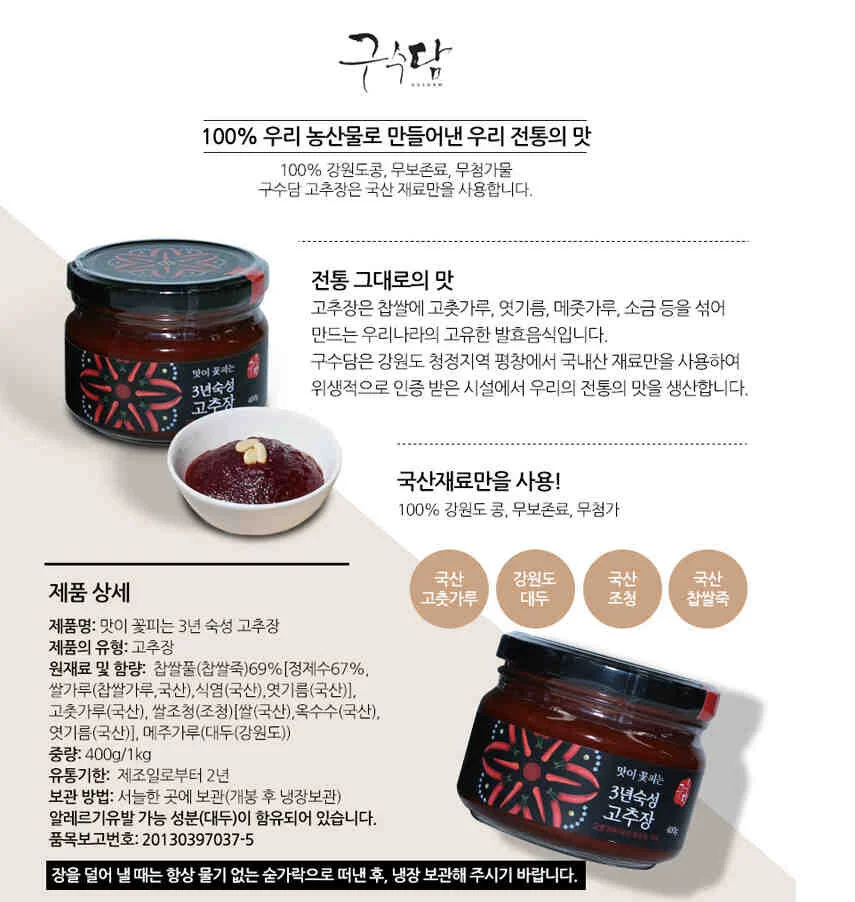
Made as close to the traditional way with only traditional ingredients like rice starch and Meju and sweetened with malt syrup.
According to a popular TV show “Altoran/ Cream of the Crop” that provides helpful tips most useful to consumers, gives this advice when choosing Gochujang at the supermarket (you can watch the episode here, but it’s in Korean-sorry!)
More than 12% Gochugaru ratio.
Try to choose Gochujang with the main ingredients (Gochugaru, Salt, Meju Powder, Rice) sourced in Korea for quality assurance and freshness.
What kind of sweetener is used. Grain Syrup is better than Oligosaccharides which is better than Corn Syrup.
Glass containers may signify a higher-quality product.
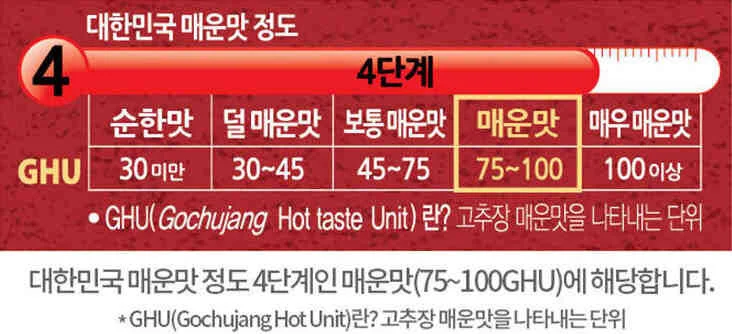
Korean packaging will state in labels how spicy it is. They use what is called a Gochujang Hot-Taste Unit which does not relate to the more widely known Scoville Heat Unit. Mild starts at 1, but you will find most to be around 3 for a “regular” spice level. When you see number 4 or 5, you have chosen a spicy Gochujang.
Because it’s difficult to judge by GHU, remember this. Korea’s spiciest chili pepper (Cheong-Yang Pepper) has a relatively mild Scoville Heat Unit of 5,000 on average. The hottest it can get is 12,000SHU which is still much lower than the common Cayenne Pepper (30,000-50,000SHU). So even if you get a Level 5 Gochujang made with Cheong-Yang Peppers, it’s still not going to be overwhelmingly spicy.
English packaging may not have this information however, but there is an easy way to identify the heat level of Gochujang by inspecting the picture on the label. Make it simpler for yourself by assuming most of the Gochujang are Level 3 or Medium-Spice. The very spicy ones denote more peppers and possibly flames of fire. Mild Gochujang won’t have peppers at all on the package, or may feature honey on it.
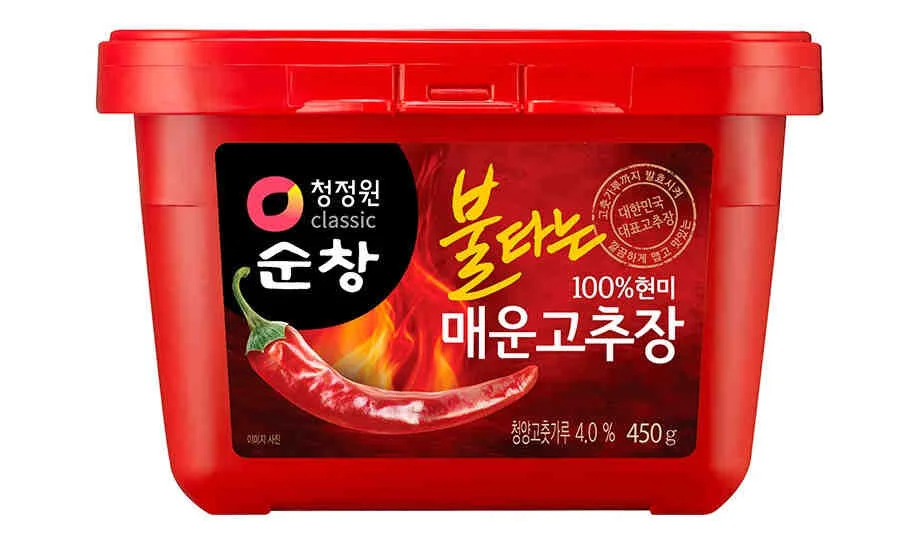
This is Chung Jung One’s spiciest Level 5 Gochujang. You can see the entire label is red and there is fire on the pepper. You can safely assume this type of label on a Gochujang signifies a spicy product. The Korean word for spicy is 매운맛.
Gochujang is made spicier by using Korean Spicy Chili Pepper (Cheong-Yang Pepper) instead of regular Korean Chili Peppers. Cheong-Yang Pepper’s Scoville Heat Unit tops at 12,000 which is much lower than the Cayenne Pepper at 30,000-50,000 SHU. However, Gochujang heat builds the more you use, so if your recipe uses a lot of Gochujang, it can get quite spicy.
But real spice heads won’t find Korean Gochujang nearly spicy enough and will find it tastes better by adding fresh chopped chilis (OPPA always tries to keep fresh long hot peppers or Thai peppers on hand).
If you do find the Gochujang you’ve bought is much too spicy for you, you can tone it down. Scoop out a little Gochujang into a new container. Mix in some water or broth (anchovy or kelp) and add a sugar of your choice. Common choices are honey but you can use what you have on hand. Plain ol’ sugar will work as well! Store in the fridge and consume within a week or two.
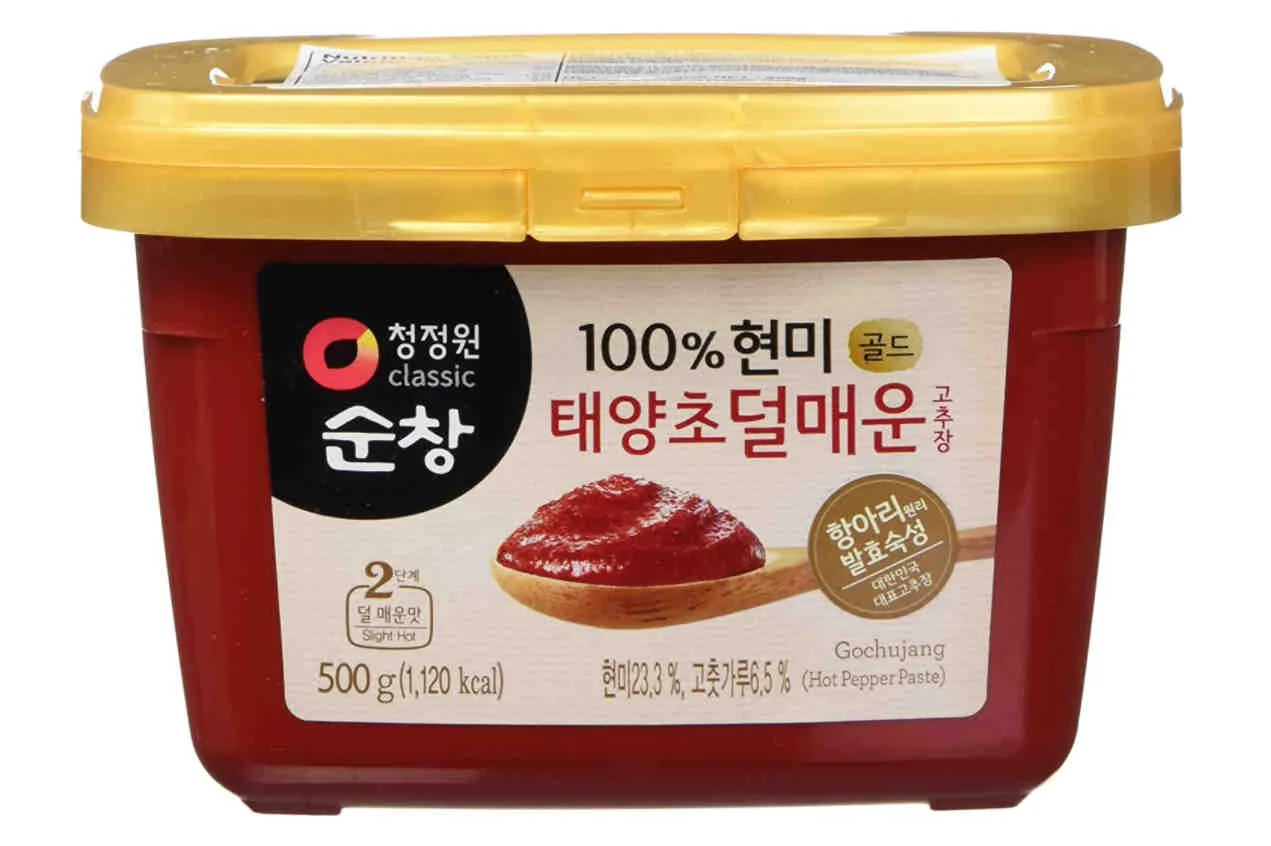
Believe it or not, many Koreans can’t tolerate overly spicy foods. Just like peppers and fire denote spiciness, you’ll find a more plain label, perhaps using a light colour that lets you know is a mild version of Gochujang. If you want to find the mildest one possible, try to look out for one made for children- it may have pictures of kids or honey or bees.
You will see the words 덜매운 Less Hot or 순한맛 Mild Flavour in Korean.

Comments are closed.


Hi, thank you for this informative post! I wanted to give some feedback: It’s a bit difficult for me to know which ones you think are quality, and which ones you don’t really recommend. Maybe making some clear tables or lists would be super helpful! I feel like you have good advice! It would be awesome if I could understand it better at a glance – I’m at the korean grocery right now! XD
You are completely right! That does sound like a better way. I’m a bit of a waffle when it comes to straight up recommending a brand because I honestly feel commercially made products are not that different. For example, it I were a broke student, I’d just get whatever is on sale (and have, when I was a broke student haha)! Now, I usually go with big brands- kind of like you might stick with McCormick or Heinz- and pray that because they are huge conglomerates, they have safety protocols and standards in place. We’re pretty safe in North America because of limited imports, we only get the big brands! Sempio is the biggest for soy sauce, Haechandle for pastes, I like ChungJungWon for the company mission statement, but who really knows. Unfortunately, it’s a matter of personal preference, but those are the big brands that tend to carry trust and recognition. Hope that helps! But thanks also for the feedback, an updated re-write is on my list!